Gold Prices Face Pressure Amid Economic Uncertainty
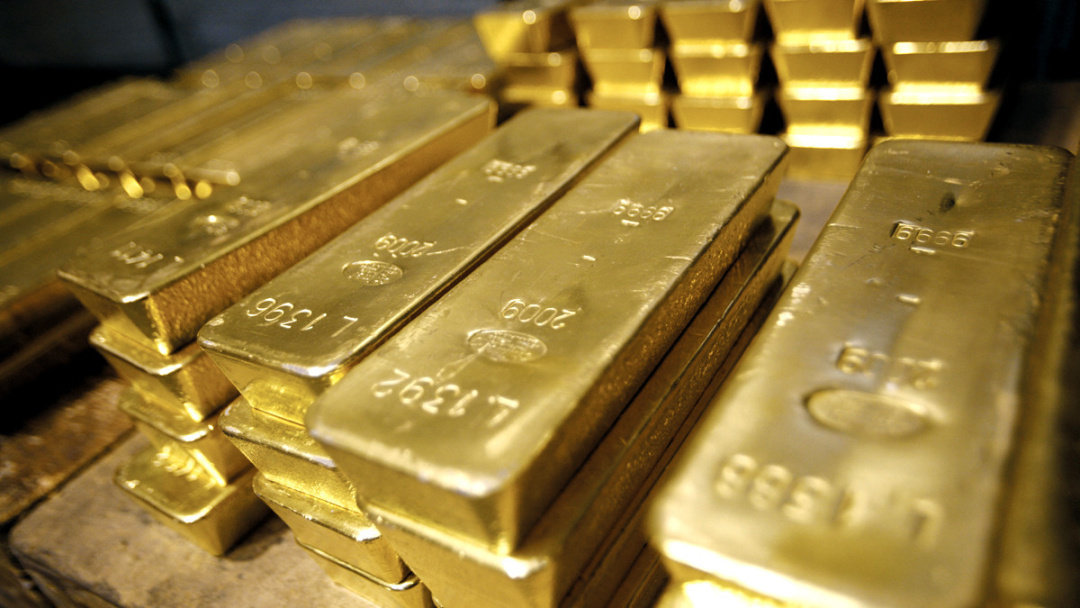
Gold is currently facing challenges in regaining its footing after experiencing a decline from September highs exceeding $4,400 an ounce. This downturn is attributed to a stronger U.S. dollar, rising Treasury yields, and expectations of further tightening by the Federal Reserve. As speculative investors reduce their exposure to gold, central banks and gold-backed exchange-traded funds (ETFs) are still accumulating bullion, prompting discussions about whether gold is entering a prolonged correction or if the recent selloff is creating a new buying opportunity.
As of Monday, gold was trading between $4,150 and $4,200 an ounce, with December futures dipping to around $4,189 as investors awaited new U.S. inflation data. The precious metal has lost approximately 5% since early September, pressured by a dollar index that is near 18-month highs and 10-year Treasury yields that have surpassed 5%. However, the factors driving bond yields higher could eventually turn supportive for gold.
Market Reading & Resources
Sponsor funding complete. Trade on.
The Federal Reserve is navigating a difficult balance between slowing economic growth and persistent inflation. The employment report for September revealed only 29,000 new jobs, while preliminary consumer sentiment for October dropped to 46.3. Additionally, rising energy costs linked to geopolitical tensions, such as the ongoing conflict in Iran, complicate the inflation outlook.
The benchmark 10-year Treasury yield has recently exceeded 5.25%, marking its highest level since 2002. Some analysts predict that yields could rise toward 6% if inflation and borrowing pressures continue. For gold, the immediate risk is clear: an unexpected increase in the U.S. Consumer Price Index (CPI) could reinforce expectations for a rate hike in December, further pushing yields and the dollar higher.
UBS Global Wealth Management suggests that much of the market's hawkish sentiment may already be reflected in current gold prices. Their analysis from October 12 indicates that a cooling labor market and stabilizing oil prices could weaken expectations for additional tightening, potentially allowing gold to recover. Beneath the recent price volatility lies a more compelling bullish argument.
Gold ETFs See Record Inflows Amid Price Declines
According to the World Gold Council, global physically backed gold ETFs attracted around $10 billion in September, bringing third-quarter inflows to a record $31 billion. Notably, investors continued to add to their gold holdings even as prices fell, with ETF holdings increasing by 67 tonnes in September to reach a record 4,256 tonnes. Central banks also purchased approximately 289 tonnes of gold in the second quarter of 2026, a 62% increase from the previous year, reflecting a broader strategy to diversify reserves and reduce reliance on traditional reserve currencies.
UBS Global Wealth Management believes that much of the recent adjustment in Federal Reserve rate-hike expectations is already priced into gold. While they caution that a durable bottom has yet to be established, the cooling employment growth and stabilizing oil prices could eventually ease the pressure on Treasury yields, providing an opportunity for gold to recover. The technical outlook remains fragile, with analysts identifying the $4,000 to $4,030 range as a critical support area. A sustained move above $4,280 to $4,320 would bolster the case for a renewed rally. Chinese market analysts anticipate that gold will trade broadly between $4,000 and $4,400 during the fourth quarter, with the Federal Reserve's December policy meeting likely determining the next major direction.
Navigating Gold's Future Amid Economic Pressures
Beyond the immediate interest-rate outlook, the long-term case for gold increasingly hinges on concerns regarding U.S. fiscal sustainability, central-bank reserve diversification, and geopolitical instability. The World Gold Council has noted that rising government borrowing costs and fiscal uncertainty may drive investors to seek alternatives to sovereign bonds, even when higher yields would typically make gold less appealing. This situation leaves gold caught between two opposing forces: a Federal Reserve intent on controlling inflation and investors increasingly worried about the implications of sustained high interest rates on government finances and economic growth.
The next significant catalyst for gold prices will be the upcoming U.S. inflation report. A hotter-than-expected reading could push Treasury yields and the dollar higher, potentially driving gold back toward the $4,000 mark. Conversely, softer inflation data could diminish expectations for another Fed rate hike, giving gold bulls a chance to regain control.