Federal Reserve Warns Rising Memory Prices Could Impact Core PCE
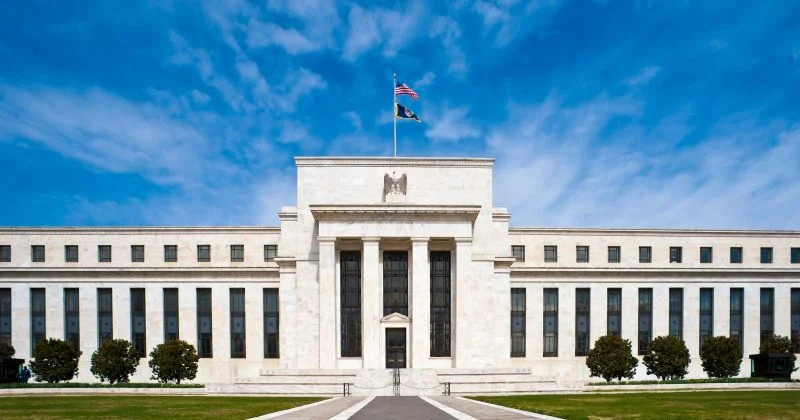
The Federal Reserve is increasingly concerned about the impact of rising memory chip prices on inflation in the U.S. economy. Demand for DRAM and NAND flash memory, driven by advancements in artificial intelligence, has led to significant price increases that are now affecting the core Personal Consumption Expenditures (PCE) index, which the Fed uses as a key inflation measure. According to Wolfe Research, these surging memory prices have contributed approximately 30 basis points to core PCE inflation as of late June 2026. While this may seem minor, it can influence the Fed's interest rate decisions, where every basis point is scrutinized.
In May 2026, core PCE inflation was reported at 3.4% year-over-year, with headline PCE even higher at 4.1%. The Fed's target inflation rate is 2%, making the current figures a cause for concern. Industry groups have warned of potential memory chip shortages that could affect various sectors, particularly retail and automotive, which rely heavily on component availability. These shortages could lead to broader consumer price hikes, further complicating the inflation landscape.
Market Reading & Resources
Sponsor funding complete. Trade on.
Apple has already responded to rising memory costs by increasing prices on its MacBooks and iPads, illustrating how manufacturers are passing on these costs to consumers. The PCE index encompasses spending on a wide range of goods that include semiconductors, meaning that when memory prices rise, the effects are felt across nearly all electronic products.
While the Fed can adjust interest rates to manage demand, it cannot quickly increase semiconductor production capacity. Establishing a new memory fabrication facility requires significant time and investment, often taking years and billions of dollars to complete. Federal Reserve officials have acknowledged that AI-related chip costs are a contributing factor to inflation, although they have not specified the exact percentage increase attributable to memory prices alone.
Companies like Micron and SK Hynix, which are major players in memory production, have seen increased investment as the market anticipates sustained demand and pricing power. Traders are advised to monitor two key factors: the potential easing of memory chip supply constraints in the latter half of 2026 and any indications of new production capacity coming online. Additionally, the Fed's upcoming policy statements will be crucial; if officials begin to categorize semiconductor costs as a structural inflation concern rather than a temporary issue, it could lead to a reevaluation of market expectations regarding interest rates.