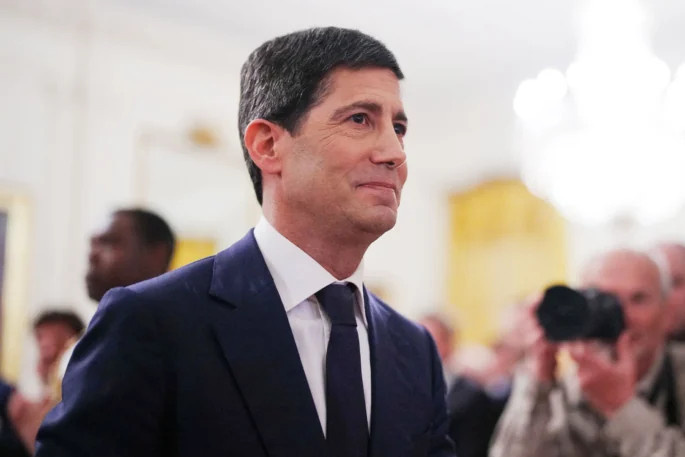
Federal Reserve Maintains Rates as Bitcoin Surges Past $60K
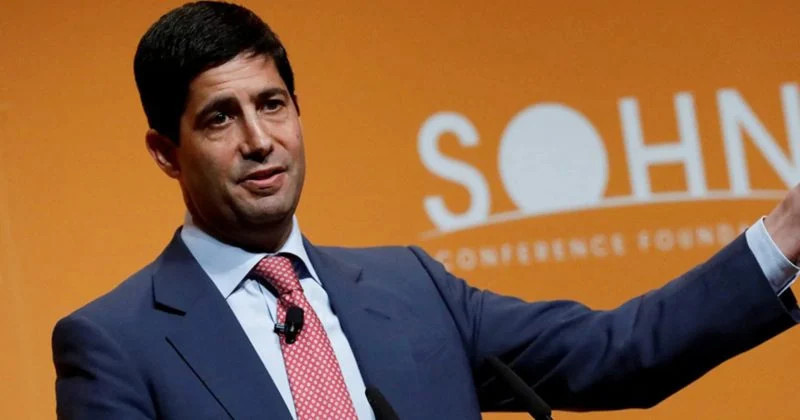
In its latest meeting, the Federal Reserve opted to maintain the federal funds rate at 3.5%–3.75%, marking the first gathering under the leadership of new Chair Kevin Warsh. Warsh emphasized the ongoing challenge of high inflation, stating that the central bank remains committed to achieving price stability. Following his remarks, Bitcoin surged past the $60,000 mark, reflecting positive market sentiment.
The Federal Open Market Committee (FOMC) voted unanimously to keep the rate steady, while also adjusting its end-2026 federal funds rate projection to 3.8%, up from 3.4% in March. Additionally, the Personal Consumption Expenditures (PCE) inflation forecast was raised to 3.6%, significantly above the Fed's target of 2%.
Market Reading & Resources
Sponsor funding complete. Trade on.
The Consumer Price Index (CPI) for May showed a year-over-year increase of 4.2%, the highest in three years, with some inflationary pressures attributed to energy supply disruptions from the Middle East. Warsh noted that the source of inflation is less important than the fact that it persists, asserting, "The Committee will deliver price stability."
Fitch Ratings described the Fed's shift in tone as moving from "patience to preemption," indicating a more proactive stance on inflation management. Traditionally, such hawkish signals from the Fed could negatively impact risk assets, as higher rates typically lead to tighter liquidity. However, Bitcoin's rise suggests that investors are reacting more favorably to Warsh's acknowledgment of easing inflation risks.
The updated projections suggest an economy that may be running hotter than the Fed desires, with the potential for another rate hike later this year depending on forthcoming inflation data. Currently, the CPI exceeds the PCE projection, highlighting a significant gap that the Fed will need to address.
The unanimous vote reflects a cohesive approach within the Fed under Warsh's leadership. While maintaining current rates supports existing liquidity conditions, the upward revision in rate projections indicates that the ceiling on liquidity may be lower than previously anticipated. This shift could have broader implications for the regulatory and monetary landscape surrounding cryptocurrencies, as tighter financial conditions may influence lending markets, stablecoin yields, and decentralized finance protocols that rely on rate arbitrage between traditional and decentralized finance.