Fed Officials Consider Rate Hikes Amid Persistent 4.1% Inflation
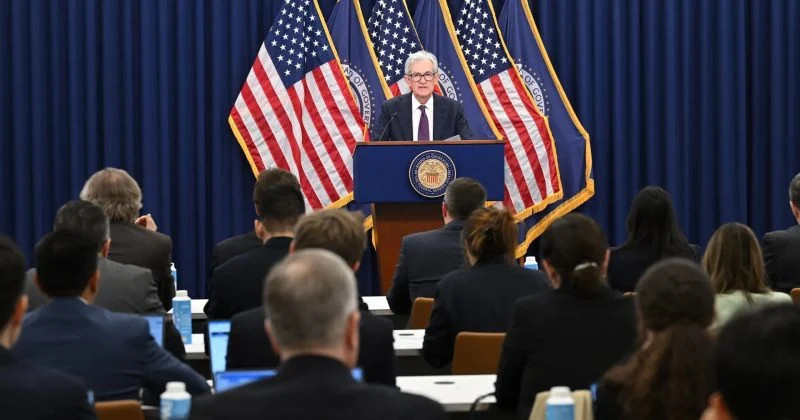
The Federal Reserve's decision to maintain interest rates at its June meeting has sparked debate among its members, as revealed in the minutes from the June 16-17 Federal Open Market Committee (FOMC) meeting. Released on July 8, these minutes indicate that a significant faction of policymakers was in favor of an immediate rate hike, driven by persistent inflation that continues to exceed expectations. The committee ultimately voted unanimously to keep the federal funds rate within the range of 3.5% to 3.75%, but this consensus masks underlying disagreements among members.
The inflation concern is underscored by the Personal Consumption Expenditures (PCE) price index, which recorded an estimated 4.1% in May 2026, far above the Fed's target of 2%. New Fed Chair Kevin Warsh, who led the June meeting, highlighted that the inflationary pressures are multifaceted, stemming from AI-driven capital investments, geopolitical tensions, particularly related to Iran, tariffs, and rising energy prices.
Market Reading & Resources
Sponsor funding complete. Trade on.
The labor market adds another layer of complexity to the Fed's decision-making process. In June, only 57,000 jobs were added, raising concerns about economic growth. Despite the weaker employment data, the committee is wary of ignoring inflation, especially with the PCE figure remaining high. Nine out of the eighteen policymakers indicated that they expect the federal funds rate to either remain steady or increase by the end of 2026.
As a result of these dynamics, futures markets are now pricing in at least one additional 25 basis point rate hike by late 2026 or early 2027. During this period, Bitcoin was trading between $61,000 and $62,000, reflecting the broader economic uncertainties impacting risk-sensitive assets. The weaker jobs report typically suggests a lower probability of rate hikes, which would generally be favorable for risk assets. However, the persistent inflation at 4.1% complicates the Fed's ability to respond to labor market weaknesses in the usual manner, leaving investors and markets on edge as they await further developments from the Fed.