Federal Reserve Officials Indicate Likely Interest Rate Hike by Year-End
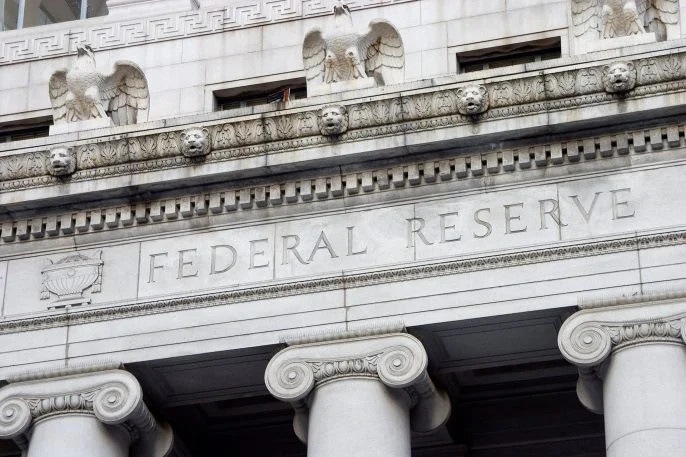
Minutes from the Federal Reserve's meetings on September 15 and 16 indicate that most officials believe another interest rate increase is likely appropriate by the end of the year. This perspective is driven by ongoing inflationary pressures and resilient economic growth, which support the case for further tightening of monetary policy.
All participants at the meeting endorsed a quarter percentage point increase in September, raising the federal funds target range to between 3.75% and 4%. Officials assessed that the labor market is nearing full employment, yet they expressed concerns that inflation risks remain elevated.
Market Reading & Resources
Sponsor funding complete. Trade on.
The minutes reflect a consensus that inflation has not made sufficient progress toward the Fed's 2% target. Policymakers pointed to rising energy prices, influenced by geopolitical tensions, and significant investments in AI infrastructure as contributing factors to ongoing price pressures. Some officials cautioned that the demand generated by the AI sector could exceed supply in the medium term. Reports from business contacts indicated increasing costs, with some companies appearing more capable of passing these costs onto consumers.
According to Fed staff estimates, annual headline PCE inflation was 3.8% in August, while core inflation stood at 3.4%. Adjustments to the Bureau of Economic Analysis methodology would revise these figures to 3.6% and 3.2%, respectively.
The Fed staff also raised their inflation forecasts for the years 2026 through 2028, predicting a return to the 2% target by 2029. They also upgraded their growth outlook, citing strong business investment, solid consumer spending, and favorable financial conditions.
Several officials noted that the current policy rate is either not restrictive or only mildly so. Many argued that a higher rate trajectory would serve as a safeguard against persistent inflation, while others deemed further tightening necessary based on their central economic outlook.
The discussions also touched on the bond markets, where Treasury yields increased by approximately 35 basis points across various maturities from two to ten years during the interval between meetings. Market analysts attributed this rise partly to heavy borrowing for AI infrastructure, along with other economic data and geopolitical factors.
Despite the increase in borrowing costs, many officials remarked that financial conditions remain conducive to economic growth. Strong equity prices and narrow corporate credit spreads have helped mitigate the impact of rising Treasury yields, although high mortgage rates continue to exert pressure on the housing market.
Officials emphasized that any future rate hikes are not predetermined and will depend on incoming data and shifts in the economic outlook and risk balance. The next policy meeting is set for October 27 and 28.