Gaza's Graduates Face Unemployment Crisis Amid Ongoing Conflict
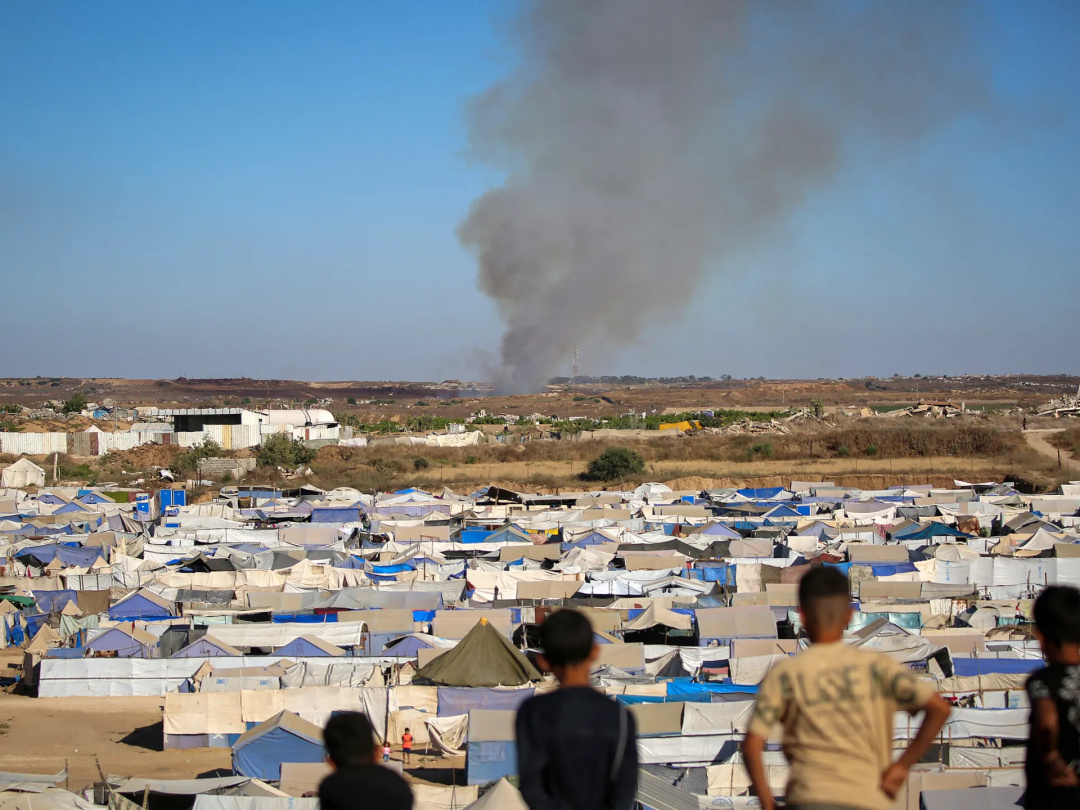
In the Gaza Strip, graduates are facing a daunting job market as they search for employment amid ongoing conflict and economic turmoil. Rawan al-Jabali, who earned a degree in English language and literature, has spent two years looking for work since graduating from the Islamic University of Gaza. The war has decimated many institutions where she could have found employment, leaving her frustrated and struggling to support her family. With 80 percent of Palestinians in Gaza unemployed, the situation is dire.
Similarly, Mohammed al-Khudari, an engineering graduate, finds himself in a prolonged job search, hindered by the war's impact on the labor market. He spends hours browsing job advertisements on his phone, often applying for positions outside his field just to secure an income. The war has forced many graduates to broaden their job searches, as the need for financial stability outweighs the desire for work in their specialized areas.
Market Reading & Resources
Sponsor funding complete. Trade on.
The economic landscape in Gaza has deteriorated significantly, with the gross domestic product contracting by over 82 percent since the conflict escalated in October 2023. The blockade imposed by Israel since 2007 has compounded these issues, leading to a staggering poverty rate exceeding 93 percent. Economic expert Mohammed Abu Jeiab highlights the erosion of human capital due to prolonged unemployment and the increasing reliance on humanitarian aid.
To address the crisis, Abu Jeiab emphasizes the need for a comprehensive plan that includes reconstruction efforts, support for small businesses, and alignment of educational programs with labor market demands. However, the lack of a functioning government and ongoing violence complicate these efforts.
Despite the bleak outlook, community initiatives are emerging to assist job seekers. The Peace Work Space in Deir el-Balah, founded by Mohammed al-Buheisi, provides a reliable environment for students and graduates to work and study. Although operating costs have risen, the center has expanded its capacity to accommodate more individuals seeking employment opportunities. Al-Buheisi believes that investing in technical skills is crucial for creating sustainable job opportunities and empowering young people to pursue income-generating activities online.
As Gaza's graduates navigate a challenging job market, they are left to adapt to a new reality where traditional employment paths are increasingly elusive. The combination of economic contraction, job scarcity, and community support initiatives paints a complex picture of resilience amid adversity.