RBI Increases Repo Rate by 25 Basis Points, Adjusts GDP Growth Forecast to 7.1%
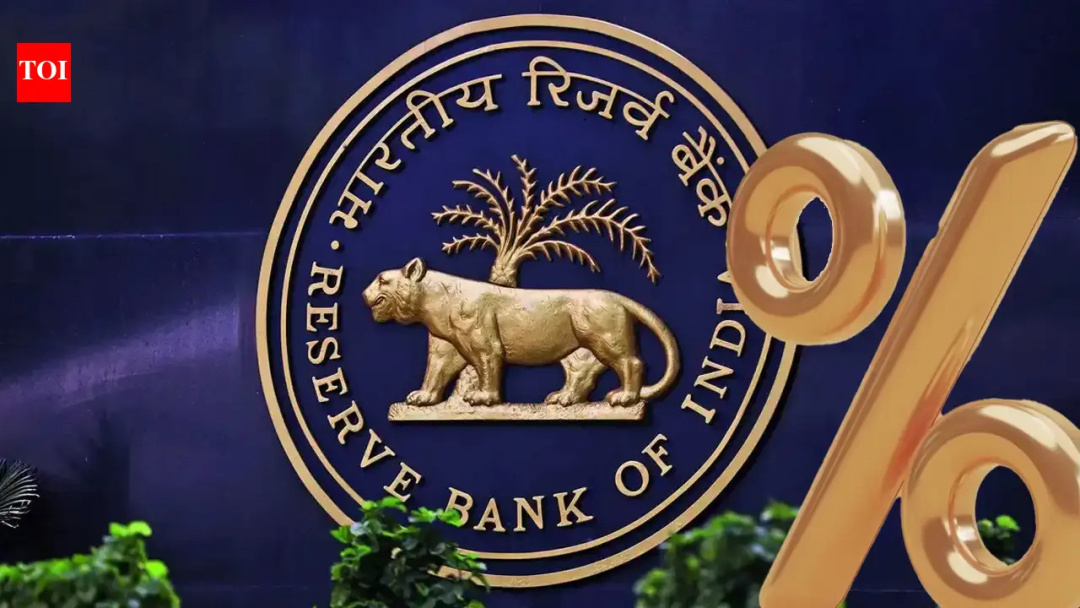
The Reserve Bank of India (RBI) has announced a 25 basis points increase in the repo rate, bringing it to 5.50%. This decision was made during the Monetary Policy Committee (MPC) meeting, where RBI Governor Sanjay Malhotra emphasized the ongoing inflationary pressures and the need to maintain economic stability. The repo rate is the rate at which the RBI lends money to commercial banks, and this hike follows a similar move by the US Federal Reserve, reflecting a global trend of tightening monetary policy in response to inflation.
Malhotra pointed out that geopolitical developments, particularly the recent escalation of conflict in West Asia, have contributed to volatility in global crude prices, which in turn affects economic sentiment. Despite these external pressures, the Indian economy has shown resilience, prompting the RBI to raise its GDP growth forecast for the current financial year from 6.7% to 7.1%.
Market Reading & Resources
Sponsor funding complete. Trade on.
The MPC's decision was influenced by two main factors: the persistent inflationary pressures and the stronger-than-expected economic growth. While the rate hike aims to keep inflation in check, it is not anticipated to significantly hinder GDP growth. The committee noted that inflation expectations have risen, with headline Consumer Price Index (CPI) inflation projected to average around 5.8% over the next three quarters.
Malhotra explained that the inflation outlook is less favorable than it was in the previous year, with core inflation expected to average 4.4%. The MPC acknowledged that while supply-side factors are contributing to inflation, there are limited signs of demand-driven inflation at this time. However, the expansion of monetary and credit aggregates poses risks that must be monitored closely.
In light of these considerations, the MPC unanimously decided to raise the policy repo rate and indicated that rate cuts are not on the table in the near term. Future policy actions will depend on the evolving economic conditions, particularly regarding growth and inflation dynamics. The committee will pay close attention to underlying inflation trends and the broader implications of price pressures across various sectors of the economy.