Reserve Bank of India Raises Interest Rates Amid Inflation Concerns
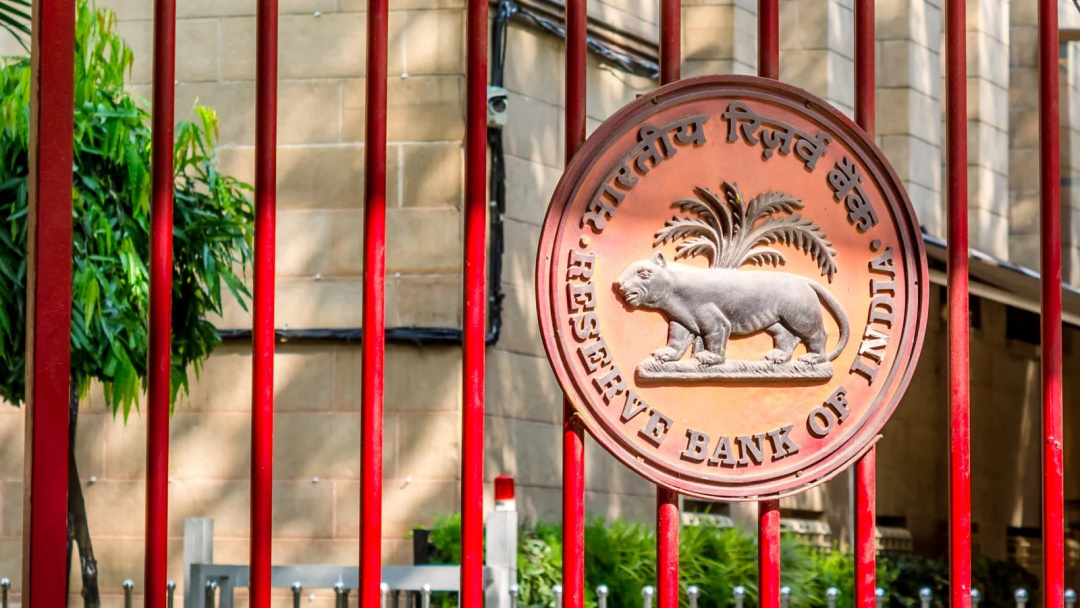
The Reserve Bank of India (RBI) has raised its benchmark repurchase rate by 25 basis points to 5.5%, marking the first increase since February 2023. This decision was made unanimously by a six-member panel in response to rising inflation and a depreciating rupee, exacerbated by the ongoing conflict in the Middle East.
The RBI had maintained its rate since the onset of the Iran war in February, opting to assess the impact of fluctuating oil prices on the economy. However, with resilient GDP growth reported in the last quarter, the central bank shifted its focus to the rising costs of living, particularly as India imports a significant portion of its energy and faces challenges from a weak monsoon season that could lead to increased food prices.
Market Reading & Resources
Sponsor funding complete. Trade on.
Retail inflation in India rose to 4.8% in August, surpassing the RBI's medium-term target of 4% for the third consecutive month. This trend indicates that inflationary pressures are spreading beyond just food and transport sectors. The RBI's recent actions underscore that, given the current economic conditions, rate cuts are not anticipated in the near future, with future policy actions likely to involve either further rate hikes or a pause.
Analysts predict that the central bank may implement additional rate increases, with some forecasting a potential rise of another 50 basis points in this cycle. The global trend of rising interest rates has limited the RBI's options, as it seeks to stabilize the economy amid external pressures.
The Indian rupee has faced significant downward pressure, nearing record lows in recent weeks. In response, the RBI has introduced measures to attract dollar inflows, including a deposit scheme targeting the Indian diaspora, which has reportedly garnered around $127 billion. Despite these efforts, the rupee continues to face challenges as foreign investors withdraw from Indian equities and crude oil prices hover around $100 per barrel.
As one of the world's largest oil importers, India is particularly vulnerable to global energy shocks, with rising crude and fertilizer prices contributing to an increased import bill. The situation remains fluid as the RBI navigates these economic challenges while aiming to maintain stability in the financial system.