Fed Announces Task Forces Led by Andreessen and Chetty to Evaluate Operations
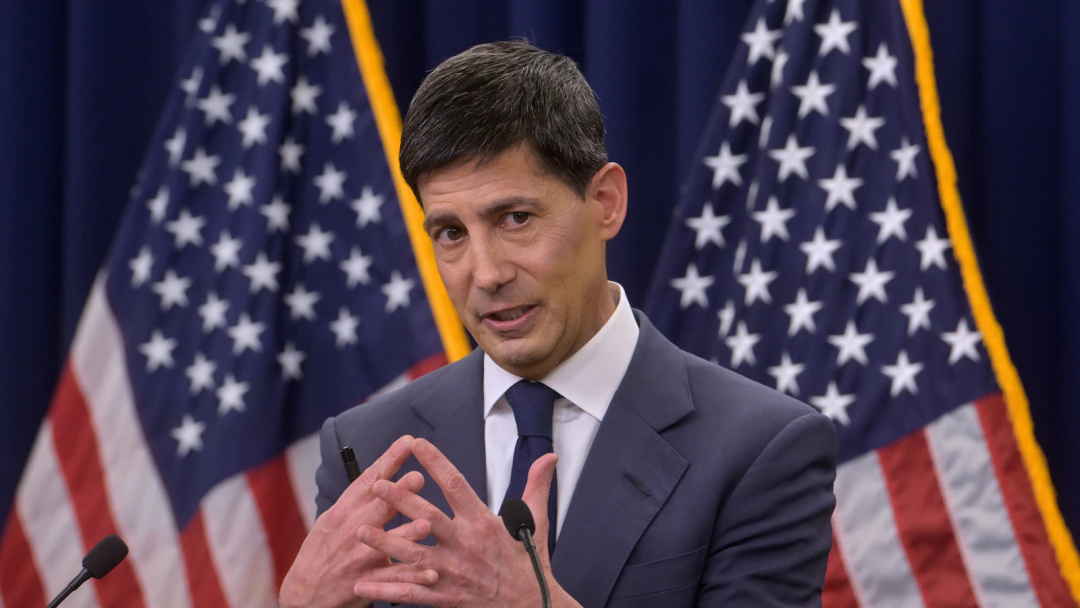
The Federal Reserve has announced the formation of five task forces that will recommend changes to its operations, featuring notable leaders such as venture capitalist Marc Andreessen, economist Raj Chetty, and former Bank of England governor Mervyn King. This initiative, revealed by Fed Chair Kevin Warsh, aims to address the evolving economic landscape and improve the central bank's methods and analytical tools.
Warsh, who previously called for a "regime change" at the Fed, has expressed a desire to communicate less about interest rate strategies and to reduce the Fed's substantial holdings of government bonds, which currently total approximately $6.7 trillion. The task forces will consist of three co-leaders each, supported by Fed staff, and will focus on various critical areas.
Market Reading & Resources
Sponsor funding complete. Trade on.
One task force will investigate the implications of artificial intelligence and emerging technologies on productivity and employment. Andreessen, a significant investor in AI and crypto firms, will co-lead this group alongside Asha Sharma, an executive vice president at Microsoft, and Charles Jones, an economist at Stanford currently on leave with Anthropic. Warsh has highlighted the transformative potential of AI for the U.S. economy.
Chetty, known for his innovative use of large data sets to analyze economic mobility, will co-lead a task force dedicated to evaluating the data sources utilized by the Fed. He will work alongside Doug McMillon, former president and CEO of Walmart, and Kevin Murphy, an economics professor at the University of Chicago.
Another task force will focus on the Fed's balance sheet, which has expanded significantly since the 2008-2009 financial crisis. This group will be co-led by Raghuram Rajan, former head of the Reserve Bank of India, Karen Dynan, a Harvard economist and former Treasury official, and Jeremy Stein, a former Fed governor.
Additionally, a task force on inflation frameworks will be led by Greg Mankiw, a prominent economist from the George W. Bush administration, and Thomas Sargent, a Nobel laureate at New York University. King will also play a key role in leading the task force focused on improving the Fed's communication strategies.
The establishment of these task forces reflects Warsh's intention to engage with fellow Fed officials and promote constructive discussions about potential changes, rather than imposing them. As the U.S. economy continues to evolve, the Fed aims to adapt its policies and approaches to better serve its objectives.