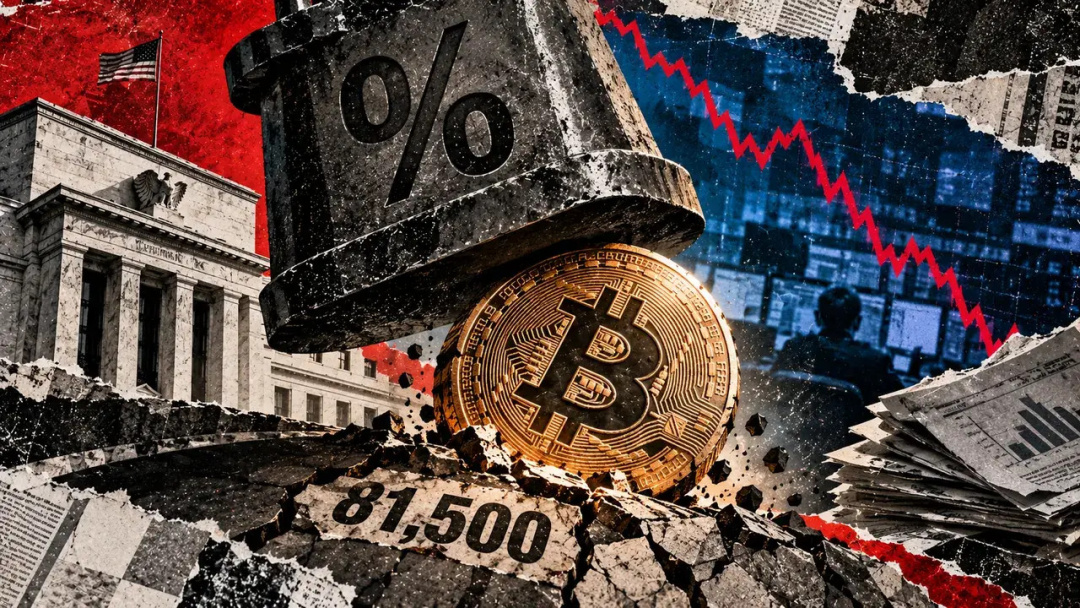
Bitcoin Faces Challenges as Treasury Yields Exceed 5% After Strong Q3

Bitcoin (BTC) has recently concluded its strongest third quarter since 2017, yet sustaining this momentum may become increasingly challenging as Treasury yields surpass 5%. This rise in yields presents a more appealing option for investors seeking risk-free returns, as noted by Delphi Digital. The firm emphasized that when government bonds yield over 5%, all riskier assets must work harder to attract investment. Despite these pressures, Bitcoin has managed to navigate this environment, partly due to a growing interest in the debasement trade. This perspective suggests that ongoing government borrowing and currency expansion could diminish the dollar's purchasing power.
Vanessa Grellet, managing partner at Arche Capital, remarked that the debasement trade does not necessarily depend on low interest rates, as investors increasingly focus on federal deficits and the government's escalating interest obligations. Recently, Bitcoin's price briefly exceeded $87,000 before experiencing a correction. Since mid-August, the cryptocurrency has surged over 35%, following the US Treasury's announcement to double its long-dated debt buybacks aimed at enhancing market liquidity, particularly for 10- and 20-year notes. Some investors interpreted this move as an attempt to alleviate bond market strains and manage borrowing costs, leading to a tripling of the buyback size.
Market Reading & Resources
Sponsor funding complete. Trade on.
The interest rate landscape for Bitcoin may become less constrictive after disappointing jobs data significantly lowered the likelihood of another Federal Reserve rate hike in October. The Bureau of Labor Statistics reported that the US economy added only 29,000 jobs in September, falling short of the anticipated 80,000. This underwhelming figure suggests a cooling labor market, granting the Fed more leeway to postpone further rate increases.
Even prior to the latest jobs report, Federal Reserve officials indicated a cautious approach to monetary policy. Although they had projected one additional rate hike for the year in September, some members have since advocated for patience. New York Federal Reserve Bank President John Williams, a voting member of the Federal Open Market Committee, stated that there is no urgency for immediate action, referencing the recent policy decisions made during the September meeting.
According to the CME Group's FedWatch Tool, the probability of an October rate increase has now dropped to approximately 24%, a significant decrease from over 75% just a week prior.