Euro Hits 17-Month Low Against Dollar Amid Concerns Over French Debt
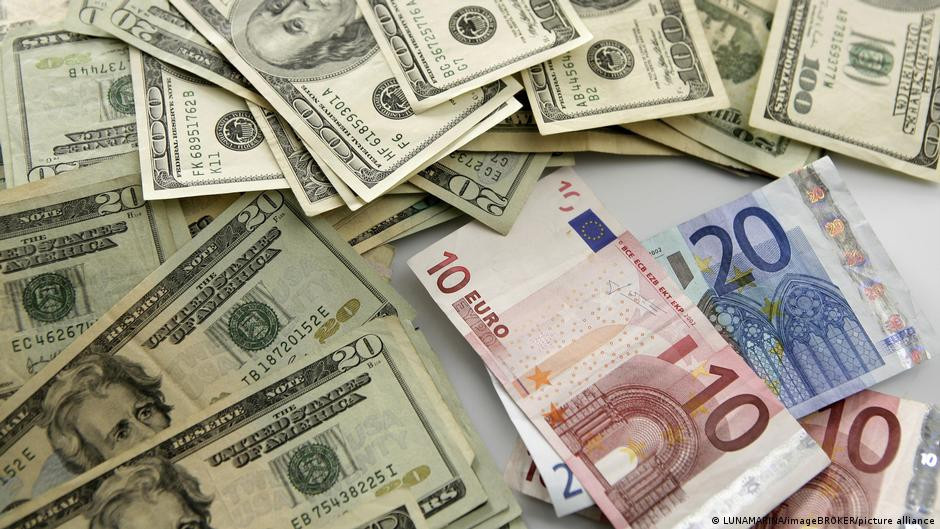
The euro has reached a 17-month low against the US dollar, trading at approximately $1.12, as investor concerns over eurozone debt, particularly in France, intensify. This decline, which has seen the euro drop around 5% since the beginning of the year, is compounded by rising global government bond yields and increasing oil prices.
Ricardo Amaro, lead eurozone economist at Oxford Economics, attributes the euro's slide to a shift in investor expectations regarding the US Federal Reserve's interest rate policies. The latest downturn is largely driven by fears surrounding France's fiscal stability, with investors wary of increased risks associated with French debt.
Market Reading & Resources
Sponsor funding complete. Trade on.
Last week, the sell-off of French government bonds accelerated, with yields on 10-year bonds rising to 5% before slightly easing. France's national debt has surged by over €1 trillion since President Emmanuel Macron took office in 2017, leading to a debt-to-GDP ratio nearing 118%. The country has consistently posted unbalanced budgets, with annual deficits exceeding 5%.
Wider concerns about low growth in the eurozone and soaring energy prices have prompted many investors to seek safer investments, such as German government bonds. The yield spread between French and German 10-year bonds has widened significantly, raising alarms about EU financial stability.
Deutsche Bank's Jim Reid noted that the bond market's reaction last week suggested a potential 'mini-panic' among investors. The critical question remains whether this situation signals the onset of a new euro sovereign crisis or if the market has overreacted.
Amaro emphasizes that the European Central Bank (ECB) faces a delicate challenge in responding to these developments. A hawkish stance could further pressure French bond yields, exacerbating the euro's weakness. He anticipates that while the ECB will monitor currency fluctuations closely, it may refrain from direct market intervention for the time being.
Political instability in France, marked by challenges in passing annual budgets and rising voter dissatisfaction over living costs, adds to the uncertainty. The upcoming 2027 presidential election, with potential implications from the right-wing National Rally, further complicates the fiscal landscape.
Amaro warns that a weakening euro could worsen inflation, as it would increase the cost of imports, particularly those priced in US dollars. With global commodities like oil and gas priced in dollars, rising energy costs could lead to further inflationary pressures in the eurozone.
While some analysts, like Geoffrey Yu from BNY, argue that comparisons to the 2012 sovereign debt crisis are unfounded, Amaro insists that the ECB must manage the situation carefully. He notes that the anticipated interest rate hikes from the ECB, combined with a deteriorating inflation outlook, necessitate vigilant oversight of the euro's performance and its implications for the eurozone economy.