Lorie Logan Advocates for Voluntary Central Clearing at the Fed
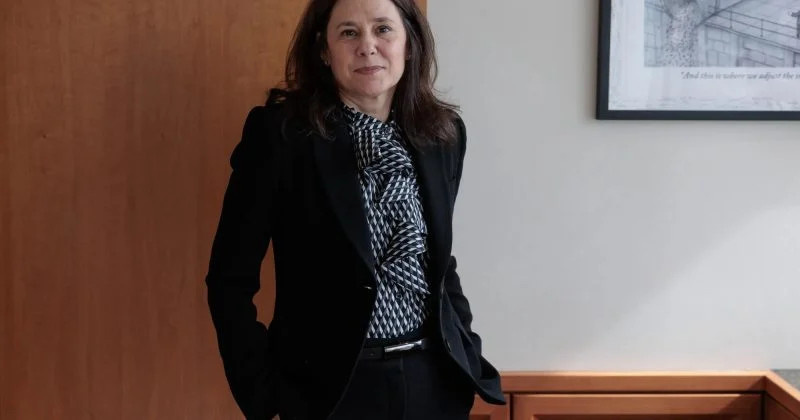
Lorie Logan, president of the Federal Reserve Bank of Dallas, advocated for the Federal Reserve to voluntarily adopt central clearing for its open market operations during a conference on market liquidity at the New York Fed on July 9. She argued that this approach could significantly reduce intermediary costs, enhance the Fed's control over short-term interest rates, and improve the central bank's capacity to provide liquidity during market disruptions.
While the SEC has mandated broader central clearing for Treasury securities and repo transactions by June 30, 2027, this requirement does not extend to the Fed itself. Logan's proposal suggests that the central bank should take the initiative in a system it helped design for the broader financial community.
Market Reading & Resources
Sponsor funding complete. Trade on.
Logan highlighted several advantages of voluntary central clearing, including lower intermediary costs and improved netting under accounting rules. This would allow the Fed and its counterparties to hold less capital against their positions, potentially freeing up capital for other uses within the financial system. Additionally, she noted that this move could strengthen the Fed's influence over the Secured Overnight Financing Rate (SOFR), which has become the benchmark for trillions of dollars in financial contracts since replacing LIBOR.
Her remarks were informed by a Dallas Fed research paper released in September 2025, which explored how modernizing the Federal Open Market Committee's (FOMC) operating target framework could benefit from central clearing. The paper indicated that such a system could enhance the Fed's impact on cleared market segments and simplify the transmission of policy.
The SEC's 2023 mandate was a response to recent Treasury market stress events, where liquidity issues arose at critical moments. Logan acknowledged that the Fed's voluntary participation in central clearing could facilitate a smoother transition to this new system. She specifically pointed to the importance of improved liquidity provisions during financial distress, referencing the March 2020 Treasury market seizure as a stark reminder of the need for robust market mechanisms.
Following Logan's speech, there were no immediate reactions from the market or expert commentary. As the SEC's 2027 deadline approaches, the role of dealers and banks that currently intermediate the Fed's trades may be diminished in a more streamlined system.