U.S. Unemployment Rate Rises as Mortgage Rates Reach Three-Year High
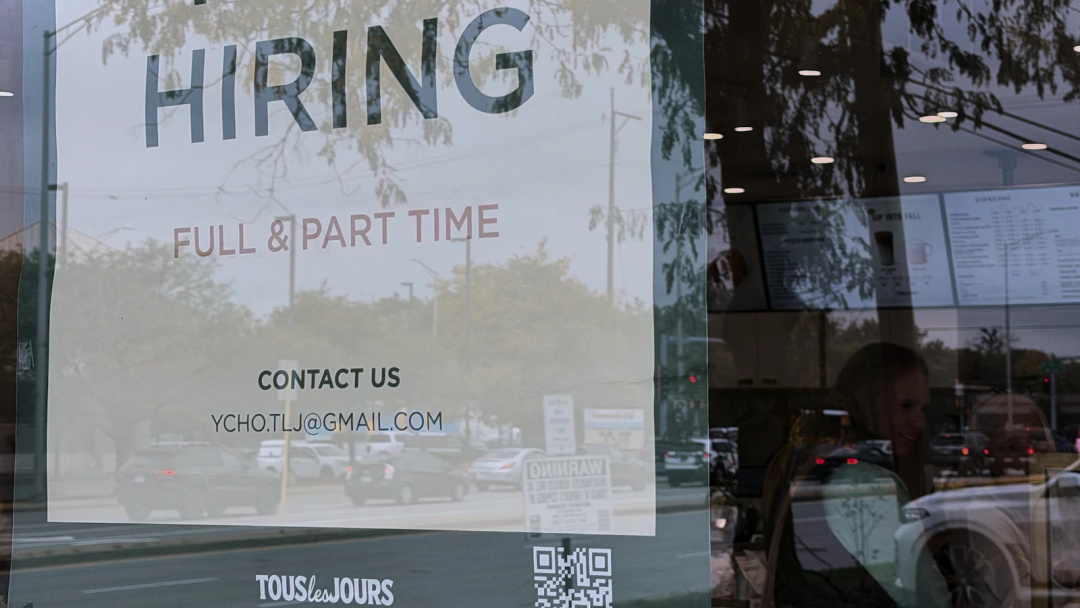
U.S. employers added a disappointing 29,000 jobs last month, leading to a slight increase in the unemployment rate, which rose to 4.2% from 4.1% in August. This data, released by the Labor Department, comes at a crucial time as voters prepare for the upcoming midterm elections, amid growing concerns over the economy and rising living costs.
The economy has been a focal point of discussion, particularly as inflation continues to affect consumer behavior. The Conference Board reported a significant drop in consumer confidence, with its index falling to 81.9 in September, the lowest level since April 2014. This decline reflects Americans' frustrations with high prices and stagnant wages, exacerbated by the ongoing conflict in Iran.
Market Reading & Resources
Sponsor funding complete. Trade on.
In addition to the job market, mortgage rates have reached their highest point in nearly three years. The average rate for a 30-year fixed mortgage jumped to 7.28%, up from 7.03% the previous week, marking the sixth consecutive week of increases. This rise in borrowing costs is significant, especially as the average rate was only 6.34% a year ago.
The Labor Department also noted a decrease in job openings, which fell to 7.08 million in August, the lowest since March. Despite fewer job openings, layoffs have remained stable, indicating a resilient labor market. However, hiring rates are significantly lower than the averages seen in previous years.
Inflation data shows a slight slowdown, with consumer prices rising 3.4% in August compared to the previous year, which is below economists' expectations. Core inflation, excluding food and energy, also came in lower than anticipated, suggesting some relief for consumers.
The U.S. economy grew at a solid pace of 2.2% from April to June, driven by strong consumer spending and business investment. However, the recent job report has raised concerns about the potential for the Federal Reserve to adjust interest rates in response to economic conditions. The stock market reacted positively to the news, with major indices climbing as bond yields fell, easing fears of aggressive rate hikes in the near future.