Gold Prices Steady Amid Middle East Tensions and Rate Hike Fears
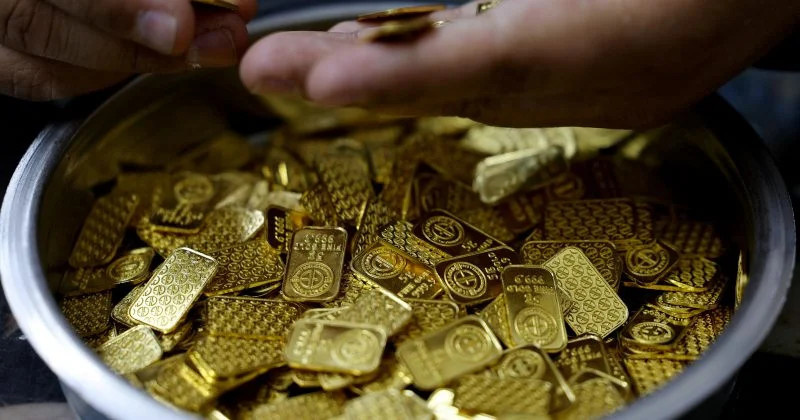
Gold prices have shown unexpected stability, hovering around $4,140 per ounce in early July, despite a significant decline of 26% from the January record of $5,598. This muted performance occurs against a backdrop of escalating tensions in the Middle East, particularly involving Iran, the US, and Israel, which typically would drive gold prices higher. However, the growing likelihood of Federal Reserve rate hikes has made holding non-yielding assets like gold increasingly costly.
The conflict in the Middle East has intensified, with incidents in the Strait of Hormuz contributing to rising oil prices and injecting uncertainty into global markets. Despite these tensions, gold is currently trading 19% lower than at the end of February, prior to the escalation of the Iran conflict. The interplay of higher oil prices, inflation expectations, and rate hike bets has created a challenging environment for gold, which is often viewed as a safe haven asset.
Market Reading & Resources
Sponsor funding complete. Trade on.
As inflation driven by energy costs gives the Fed justification to tighten monetary policy, higher interest rates have boosted Treasury yields and strengthened the dollar. This dynamic has been detrimental to gold, which generates no income and is priced in dollars. Since June 1, when gold prices fell sharply amid rising tensions, the market has increasingly favored inflation fears over geopolitical concerns.
The stronger dollar has further complicated matters for gold, making it more expensive for international buyers and dampening demand at a time when one would expect it to surge. If gold can decline by 26% during an active military conflict in a strategically significant region, it raises questions about its role as a store of value in a high-rate environment. Bitcoin faces similar challenges, as it also generates no yield and has maintained a persistent correlation with risk assets.
For traders, the $4,070 level has emerged as a crucial support point. A drop below this threshold could lead to increased selling pressure, especially if upcoming Federal Reserve minutes indicate a hawkish stance. Conversely, a de-escalation of tensions in the Middle East could alleviate inflation fears and potentially stabilize gold prices by reducing the likelihood of rate hikes.