Rising Debt and Inflation: The Economic Dilemma Ahead

In recent years, awareness of the unsustainable nature of global debt has increased among investors. Governments have accumulated significant debt since the 1980s, and while mainstream economists have often downplayed the risks, the current economic climate is forcing a reevaluation. Notably, economist Paul Krugman has previously suggested that national debt is manageable as it is essentially money owed to oneself. However, with interest rates now on the rise, his perspective appears to be shifting. Krugman maintains that a serious debt crisis is unlikely, as countries can print money to meet obligations. Yet, this approach raises concerns about inflation, which could be exacerbated by excessive money printing.
The U.S. faces two potential scenarios regarding interest rates. If rates remain high, projections indicate that federal debt could escalate dramatically, potentially reaching $89 trillion by 2036, with interest payments surpassing government revenue. Conversely, if the Federal Reserve lowers rates to near zero, debt levels would rise more modestly to around $61 trillion, with significantly lower interest costs. This stark contrast highlights the critical choices facing policymakers.
Market Reading & Resources
Sponsor funding complete. Trade on.
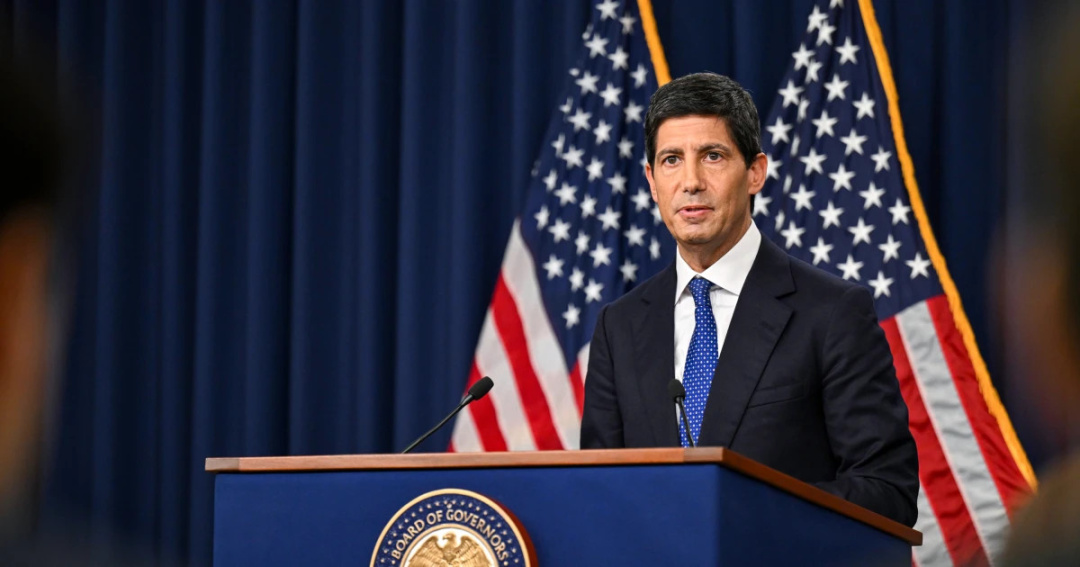
The Federal Reserve's mandate focuses on maximizing employment and minimizing inflation, but the reality of rising debt cannot be ignored. Historical precedents suggest that the Fed has previously intervened during times of financial distress, and many believe a return to low interest rates is inevitable, despite ongoing inflation concerns. The potential for yield curve control, a strategy used in the past, may emerge as a necessary response to manage the economic fallout of high debt levels.
As inflation remains a pressing issue, discussions around hard assets and inflation hedges are becoming increasingly relevant. The current economic landscape, marked by high asset prices and a significant portion of companies in bear markets, underscores the importance of strategic financial planning in the face of rising inflation and debt challenges.