ECB's Olli Rehn Discusses Inflation Risks from Rising Energy Prices
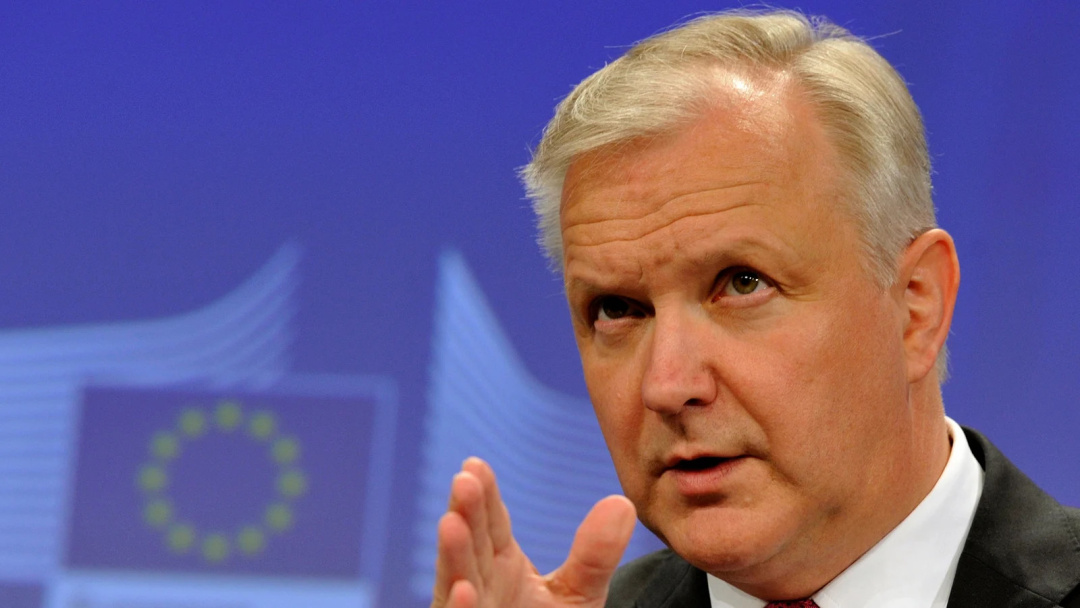
Olli Rehn, the chief of the Finnish central bank, addressed concerns regarding rising energy prices and their implications for inflation during a conference of the European Systemic Risk Board. He indicated that energy prices are approaching the European Central Bank's adverse scenario, which could significantly impact inflation rates. Recent data shows inflation has surged past 3% and is projected to reach nearly 4% by the end of the year, which is double the ECB's target. This situation places pressure on the central bank to consider further interest rate hikes following two increases earlier this summer.
Rehn pointed out that while the ECB acknowledges the risks of higher-than-expected inflation, there are also risks that could lead to lower inflation. He explained that the rise in long-term interest rates could slow economic growth and reduce the transmission of energy price shocks to other prices and wages. This highlights the pervasive uncertainty surrounding economic projections.
Market Reading & Resources
Sponsor funding complete. Trade on.
In recent weeks, government borrowing costs have escalated, largely due to rising yields in the United States, which have raised concerns about the sustainability of fiscal policy. The increase in yields has also been influenced by major technology companies issuing significant amounts of debt to fund investments in artificial intelligence, which has crowded out other borrowers, including sovereign entities.
Currently, the 10-year borrowing cost for Germany stands at 3.57%, marking a 17-year high, while similar US bonds yield 5.32%. Rehn cautioned that the high valuations associated with tech borrowing could pose stability risks, as a sharp correction in AI-related valuations might have ripple effects across equity and credit markets. He noted that while technological revolutions can drive economic transformation, financial markets often overestimate their immediate returns.
Despite these challenges, Rehn remarked on the surprising resilience of the euro zone economy, which appears to be withstanding high energy costs better than initially feared.