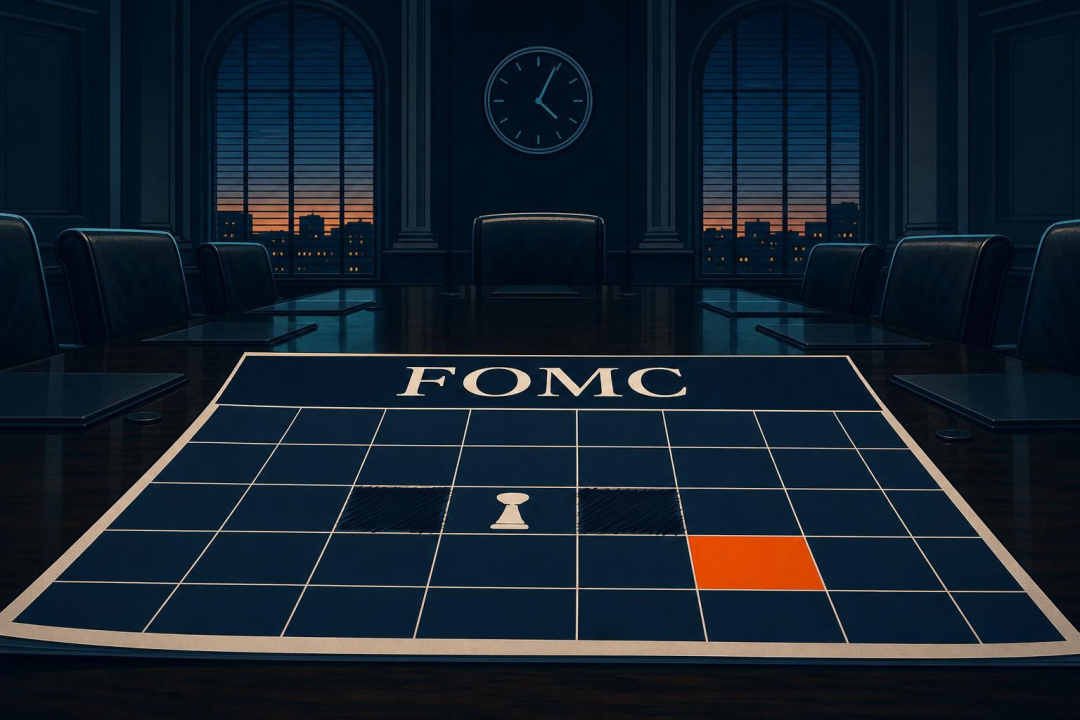
Federal Reserve Chair Kevin Warsh's Silence Sparks Market Volatility
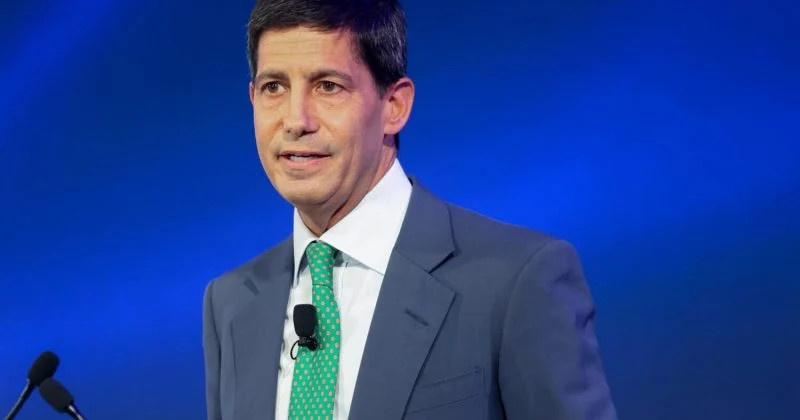
Kevin Warsh, who was confirmed as Federal Reserve Chair on May 13, 2026, is employing a notably quiet approach to communication, which is unsettling markets. His confirmation was marked by a narrow Senate vote of 54-45, the closest in recent history. Since taking office on May 22, Warsh has moved away from the communication strategies of his predecessors, opting for less forward guidance and shorter policy statements, and he has not committed to regular post-meeting press conferences.
During his first Federal Open Market Committee meeting on June 17, Warsh decided to maintain the federal funds rate at 3.50-3.75%, while inflation was still above 4%. This decision led to increased market volatility, as analysts warned that the reduction in what traders refer to as "Fedspeak" could create uncertainty. Without clear signals from the Fed, every economic data release becomes a potential catalyst for market movement.
Market Reading & Resources
Sponsor funding complete. Trade on.
The impact was immediate: Treasuries and equities reacted, and cryptocurrencies, which have become increasingly correlated with macroeconomic signals, were also affected. Bitcoin's value dropped below $64,000 following the June FOMC meeting due to investor anxiety over the Fed's rate path. However, after Warsh suggested that inflation risks had eased, Bitcoin rebounded to above $60,000 by early July.
Warsh's financial disclosures indicate he has investments in several cryptocurrency-related companies, including dYdX, Lighter, Polychain Capital, Dapper Labs, Solana, and Optimism. He has characterized Bitcoin as a "sustainable store of value," a statement that contrasts with the more cautious language typically used by previous Fed chairs.
By holding rates steady at 3.50-3.75% while inflation remains elevated, Warsh appears to be closely monitoring economic data before making any definitive policy decisions. This approach has drawn comparisons to the early days of the Volcker Fed, when Paul Volcker similarly reduced communication and allowed market actions to speak for themselves. That era was characterized by significant volatility before markets adjusted to the new economic landscape.