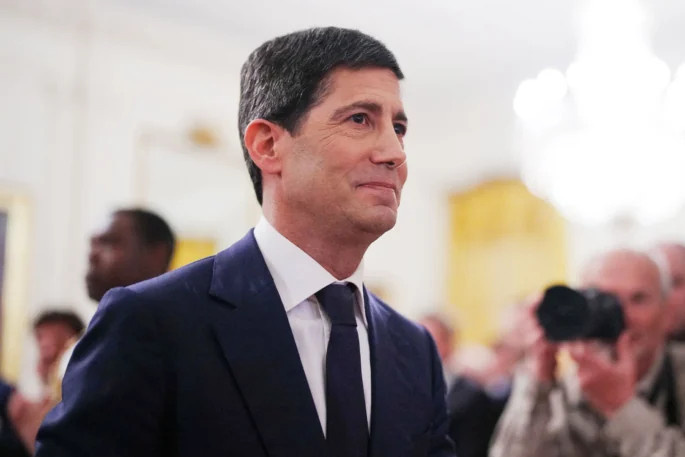
Federal Reserve Chairman Warsh Launches Task Forces for Policy Review
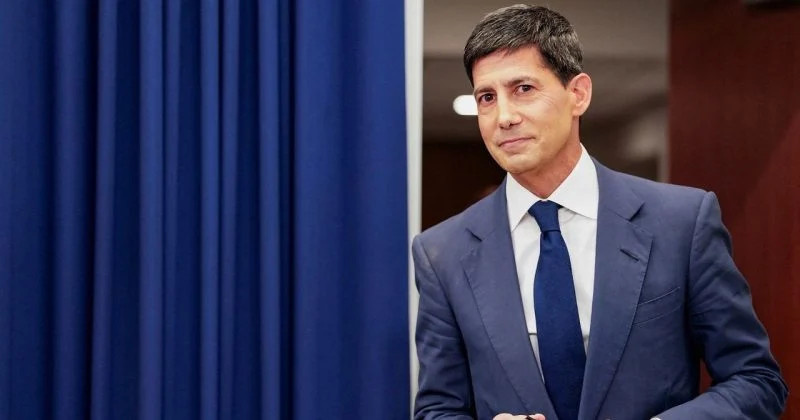
In a decisive move during his inaugural FOMC meeting on June 17, 2026, Federal Reserve Chairman Kevin Warsh announced the formation of five internal task forces aimed at rethinking the central bank's approach to monetary policy. These task forces will explore critical areas including the Fed's communications strategy, balance-sheet management, data analytics, the effects of automation and artificial intelligence on employment, and the overarching inflation framework. The reviews are anticipated to produce reports by the end of 2026, with potential policy revisions expected to roll out in early 2027.
Warsh has expressed a desire for input from both internal staff and external experts, indicating that the task forces will also include non-US specialists. He mentioned during the European Central Bank Forum in Sintra, Portugal, on July 1, 2026, that details regarding staffing would be disclosed soon.
Market Reading & Resources
Sponsor funding complete. Trade on.
Currently, the Fed's balance sheet stands at approximately $6.7 trillion, a notable decrease from its peak of nearly $9 trillion but still substantial by historical standards. For context, the balance sheet was below $1 trillion prior to the 2008 financial crisis. During the same FOMC meeting, interest rates were maintained at a range of 3.5% to 3.75%.
The immediate impact of Warsh's announcement was felt in the cryptocurrency markets, with Bitcoin's value dropping toward $64,000. This decline is not viewed as a panic sell but rather a recalibration as investors adjust to the new Fed chair's hawkish tone, which signifies a significant shift in the monetary landscape. The review of the inflation framework is particularly crucial for crypto investors, as any move away from the current average inflation targeting approach could lead to a more aggressive response to inflationary pressures.
As the timeline for reports and potential policy changes unfolds, investors are faced with several months of uncertainty, making it essential to monitor developments closely. Warsh's proactive approach signals a return to fundamental principles in monetary policy, which could have lasting implications for both traditional and digital asset markets.