Federal Reserve Chair Kevin Warsh Launches Modernization Task Forces
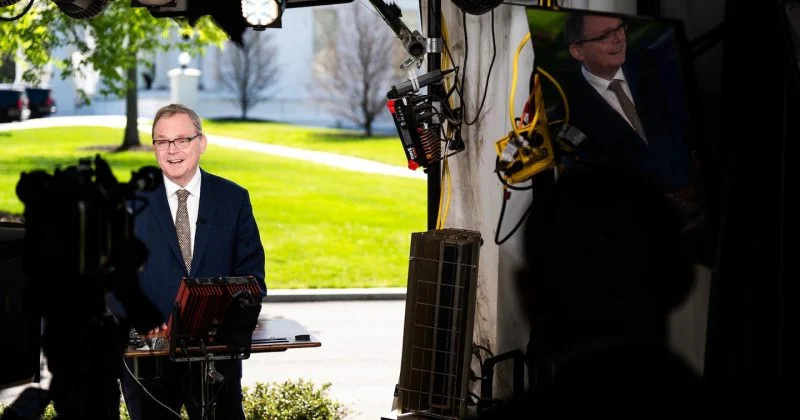
Kevin Warsh, recently appointed as the Federal Reserve Chair, is taking swift action to modernize the central bank's operations. Since his swearing-in on May 22, he has established five task forces and appointed notable advisers to guide this initiative. Among the advisers are Paul Winfree and Daniel Heil, who joined as temporary external advisers in early June, alongside Fed economists Daniel Covitz and Eric Engstrom, who will rotate in their roles.
The task forces will focus on key areas: communications strategy, balance sheet management, inflation measurement, data usage, and the implications of artificial intelligence on productivity. Warsh has emphasized the need to reduce the Fed's balance sheet, which currently stands at approximately $6.7 trillion, a figure that surged during the pandemic due to emergency lending and quantitative easing. Before the pandemic, the balance sheet was under $4 trillion.
Market Reading & Resources
Sponsor funding complete. Trade on.
The inflation measurement task force is particularly significant, as the Fed currently uses the Personal Consumption Expenditures (PCE) price index as its primary inflation metric. A shift to a different inflation measure could lead to varied rate decisions, impacting asset classes globally. Warsh's choice of advisers reflects a conservative economic perspective, suggesting that this modernization effort may favor a smaller central bank role and more market-oriented outcomes.
Warsh, who previously served as a Fed governor from 2006 to 2011 during the global financial crisis, was nominated by President Trump and confirmed by the Senate. His return to the Fed is marked by a desire to implement changes he has contemplated during his time away.
While Warsh has not made specific announcements regarding cryptocurrency policy, his previous comments indicate a cautious openness to digital assets. A reduction in the Fed's balance sheet could lead to increased long-term interest rates, historically creating challenges for risk assets. The cryptocurrency market, including Bitcoin, has shown heightened sensitivity to rate expectations in recent cycles.
The review of inflation measurement is particularly relevant for cryptocurrency investors. Should the Fed adopt a new inflation framework that yields different results than the current PCE-based approach, it could significantly alter how markets perceive inflation expectations and, consequently, how they value Bitcoin.
Additionally, the potential for more frequent dissent within the Federal Open Market Committee (FOMC) is a factor to monitor. Warsh's combination of conservative external advisers and internal economists may lead to ideological tensions within the committee, influencing future monetary policy decisions.