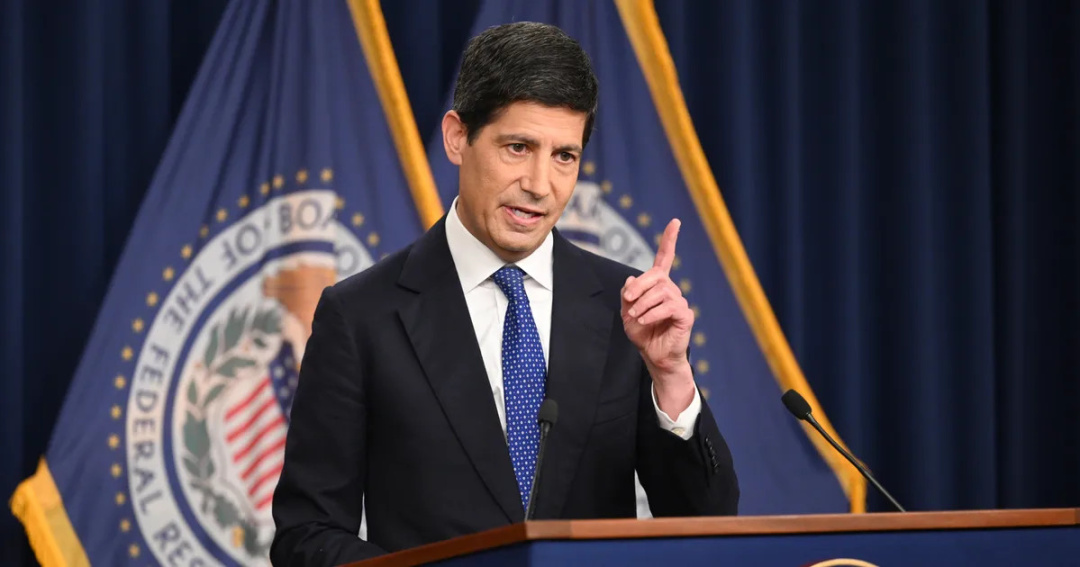
Federal Reserve Launches Task Forces to Review Monetary Policy Under Warsh
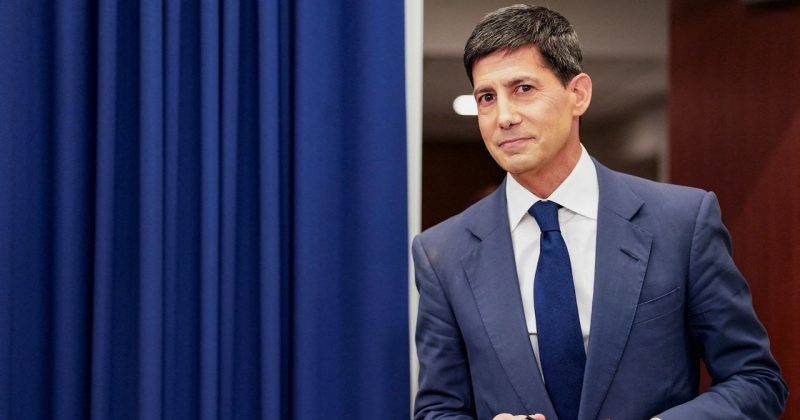
The Federal Reserve has embarked on a major internal review of its monetary policy, marking a significant shift under the leadership of newly confirmed Chair Kevin Warsh. This initiative, announced during Warsh's first Federal Open Market Committee meeting on June 17, 2026, involves the establishment of five external task forces aimed at scrutinizing various aspects of the Fed's operations. These task forces will focus on critical areas such as the Fed's communication strategies, inflation framework, employment statistics methodology, and its substantial balance sheet, which currently stands at approximately $6.7 trillion. Critics have long expressed concerns that such a large balance sheet distorts asset prices across markets.
Each task force will comprise external experts, including some from international institutions, with support from Fed staff. The Fed anticipates initial findings to be released by fall 2026, with comprehensive reports expected by the end of the year. However, no policy changes are anticipated before early 2027. During the announcement, the Fed reiterated its commitment to maintaining a 2% inflation target.
Market Reading & Resources
Sponsor funding complete. Trade on.
Warsh, who succeeded Jerome Powell after his appointment in May 2026, previously served on the Fed's Board of Governors from 2006 to 2011, a period marked by the global financial crisis. The decision to incorporate external reviewers is noteworthy, especially considering that during Powell's tenure, the Fed conducted its own internal review, which concluded in 2020 with the adoption of average inflation targeting. This approach faced significant criticism when inflation surged past 9% in subsequent years.
Details regarding the leadership of the individual task forces have not yet been disclosed. The Fed's balance sheet expansion during 2020 and 2021 was a key factor in the crypto bull market that saw Bitcoin reach new all-time highs. A task force that recommends a faster reduction of the balance sheet or a restructured approach to quantitative tightening could significantly impact the liquidity environment. Conversely, if the review supports the current balance sheet trajectory or suggests a slower runoff, it could benefit risk assets, including Bitcoin and the broader cryptocurrency market.
Should Warsh's task force propose moving away from average inflation targeting in favor of a more traditional approach, the Fed may adopt a more aggressive stance in addressing inflation spikes. For now, the 2% inflation target appears secure, as reaffirmed by the Fed during the June announcement. Traders are advised to pay close attention to fall 2026, as the initial findings will likely provide crucial insights into the future direction of monetary policy, with actual changes not expected until early 2027.