U.S. Inflation Slows as Consumer Spending Increases
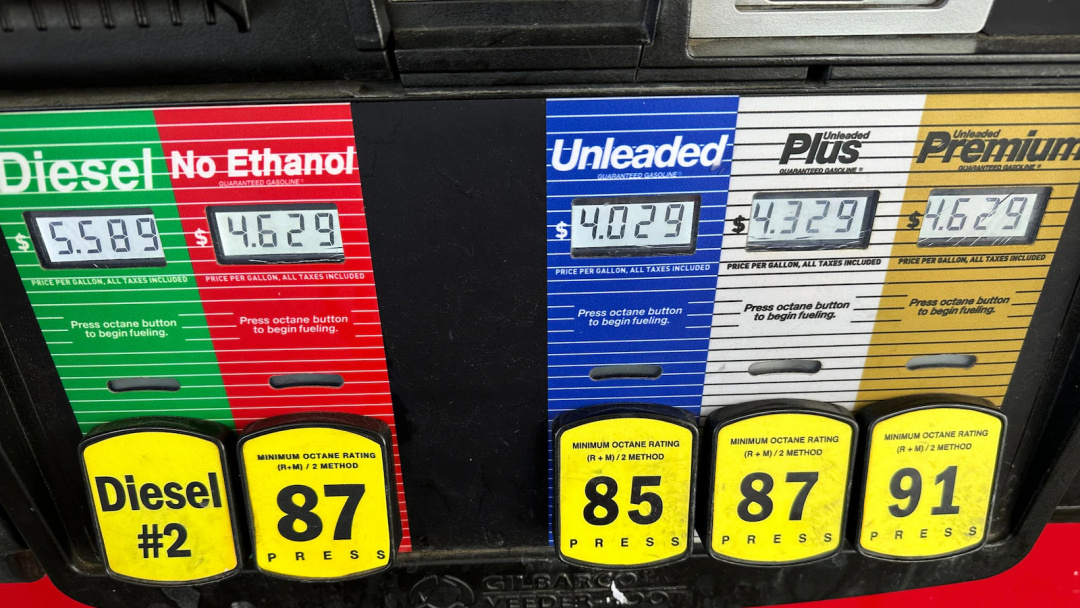
Inflation in the United States has shown a slight decrease as consumer spending has increased. According to the Commerce Department, consumer prices rose by 3.4% in August compared to the same month last year, which is lower than the 3.7% that economists had predicted. On a monthly basis, prices increased by 0.3%, up from a 0.1% rise in July, indicating that inflationary pressures are still present.
When excluding the more volatile categories of food and energy, core inflation also came in lower than expected, rising by 3% year-over-year in August. From July to August, core prices increased by just 0.2%, a slight uptick from the previous month's 0.1%.
Market Reading & Resources
Sponsor funding complete. Trade on.
Despite these signs of moderation, inflation continues to exceed the Federal Reserve's target of 2%. The recent monthly increase suggests that a return to this target is not imminent. The Federal Reserve recently raised its key short-term interest rate for the first time in three years to combat inflation, and many economists anticipate further rate hikes, potentially as soon as next month.
High inflation rates are impacting the U.S. economy, overshadowing solid growth and a low unemployment rate. Following the release of the latest inflation data, U.S. markets reacted positively, with investors speculating that the anticipated interest rate hike from the Federal Reserve might be postponed.