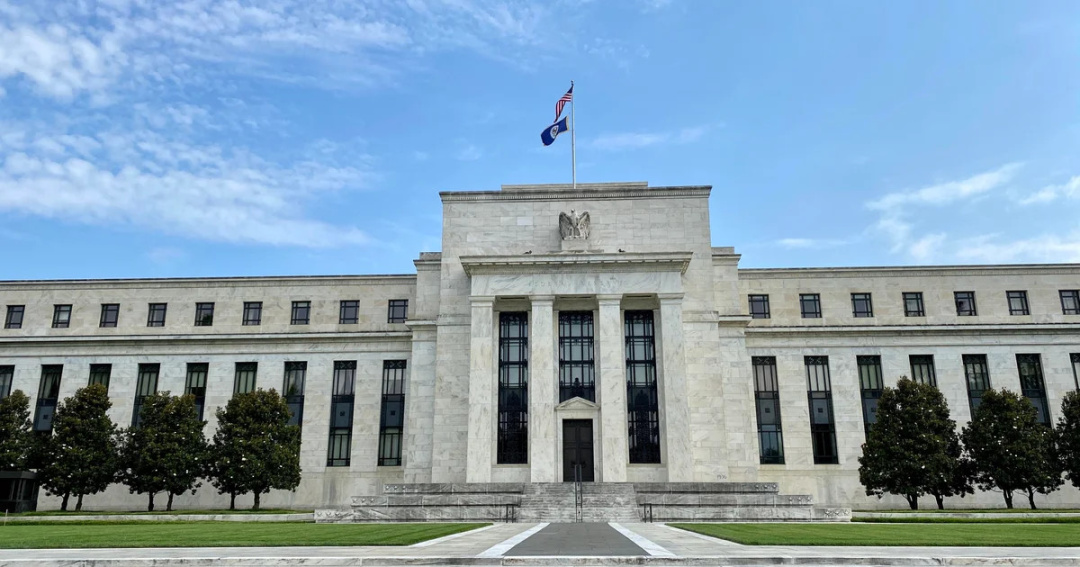
Fed Governor Cook highlights AI spending's role in persistent inflation
Federal Reserve Governor Lisa D. Cook has pointed to the burgeoning AI infrastructure as a key reason why inflation continues to exceed the central bank's 2% target. In a speech delivered on September 28, Cook detailed how the construction of data centers and the rising demand for semiconductors are creating widespread price pressures throughout the economy, extending beyond just the technology sector.
Cook's remarks coincided with a unanimous decision by the Federal Open Market Committee (FOMC) to raise interest rates by 25 basis points, indicating that the Fed perceives persistent inflation as a justification for further tightening, even as the economy experiences a significant wave of capital investment.
Market Reading & Resources
Sponsor funding complete. Trade on.
She emphasized that approximately $2 trillion in AI-related capital expenditures have been announced, but only a small portion has been implemented. This suggests that the inflationary effects from this investment surge are far from reaching their peak.
The increased spending is driving prices higher across multiple categories, including semiconductors, computers, software, construction labor, and energy resources. When one sector competes for essential inputs that are also required by others, such as electricity and skilled labor, the resulting price increases can have widespread effects.
Cook provided specific figures to illustrate the situation. For instance, electricity and water costs have risen by about 5% year-over-year in 2026. Additionally, core goods prices have been averaging above 3% annually this year. Both of these figures are inconsistent with the Fed's 2% inflation target and are directly linked to the resource demands of AI infrastructure.
Looking ahead, Cook predicted that productivity gains from AI would lead to only modest disinflation in the coming years. This reflects the Fed's view that the cost-reducing benefits of AI will not materialize quickly enough to offset the price pressures stemming from the necessary infrastructure development.
The situation becomes even more complex considering that much of the announced $2 trillion in spending has yet to be realized. As these projects transition from planning to construction, they will further increase demand for labor, materials, and energy.
The recent 25 basis point rate hike, which accompanied Cook's speech, reinforces the Fed's commitment to tightening monetary policy as long as inflation remains elevated. Cook reiterated that future policy decisions will be based on incoming data, and with core goods inflation above 3% and energy costs rising at 5%, the outlook does not provide much reassurance for those anticipating imminent rate cuts.