Australia's Inflation Hits 4% in August, Pressuring RBA for Rate Hike
Australia's headline inflation rate climbed to an annual rate of 4% in August, an increase from 3.5%. This rise has provided some validation for the Reserve Bank of Australia's (RBA) decision to raise interest rates just a day before the inflation figures were released. However, the situation regarding the need for another rate hike is more nuanced. Underlying inflation, which excludes volatile items, remained steady at 3.6% over the year.
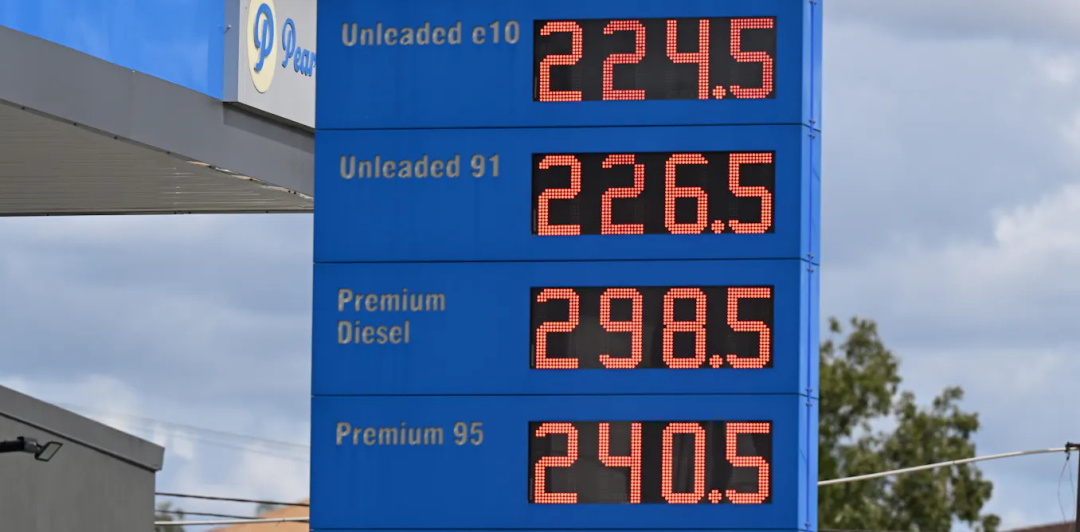
The Australian Bureau of Statistics indicated that higher petrol prices were a significant factor in the inflation increase. Beyond fuel, other sectors also experienced price pressures: housing costs rose by 5.7% due to increasing construction expenses, education costs increased by 4.7%, and food and non-alcoholic beverages saw a 3% rise over the year leading up to August.
Market Reading & Resources
Sponsor funding complete. Trade on.
The RBA's decision to raise interest rates for the fourth time this year was made with the anticipation that inflation would remain strong when the new figures were released. A notable contributor to the inflation spike was a nearly 15% surge in automotive fuel prices within a single month, driven largely by rising global oil prices and the conclusion of government fuel-excise relief.
While volatility in petrol prices is common, the RBA is more concerned about whether these initial price increases will lead to sustained inflation across the economy. The August data revealed that when volatile components like petrol and fresh food are excluded, prices remained flat for the month. Furthermore, measures that capture domestic price pressures showed less momentum than the headline inflation figure might suggest.
The RBA's preferred measure of underlying inflation, the trimmed mean inflation rate, also remained unchanged at 3.6% in August. Although this figure is still above the RBA's target range of 2-3%, it did not increase compared to previous months, indicating some stability.
Despite the headline inflation rate of 4%, the underlying inflation rate's steadiness suggests that the inflation issue may not be as severe as it appears. For the RBA, this distinction is crucial and may warrant a more patient approach moving forward.
Having already raised interest rates four times this year, the RBA is aware that these increases take time to impact the economy. If inflation measures associated with persistent domestic pressures continue to moderate, the RBA may opt to hold off on further rate hikes following September's increase. The next RBA meeting is scheduled for Melbourne Cup Day, November 3, where it will consider new labor market data and inflation figures before making its decision. A stronger inflation reading or a decrease in the unemployment rate could prompt another rate hike, while continued moderation in underlying inflation or a rise in unemployment might lead the RBA to maintain the current rates for the time being.