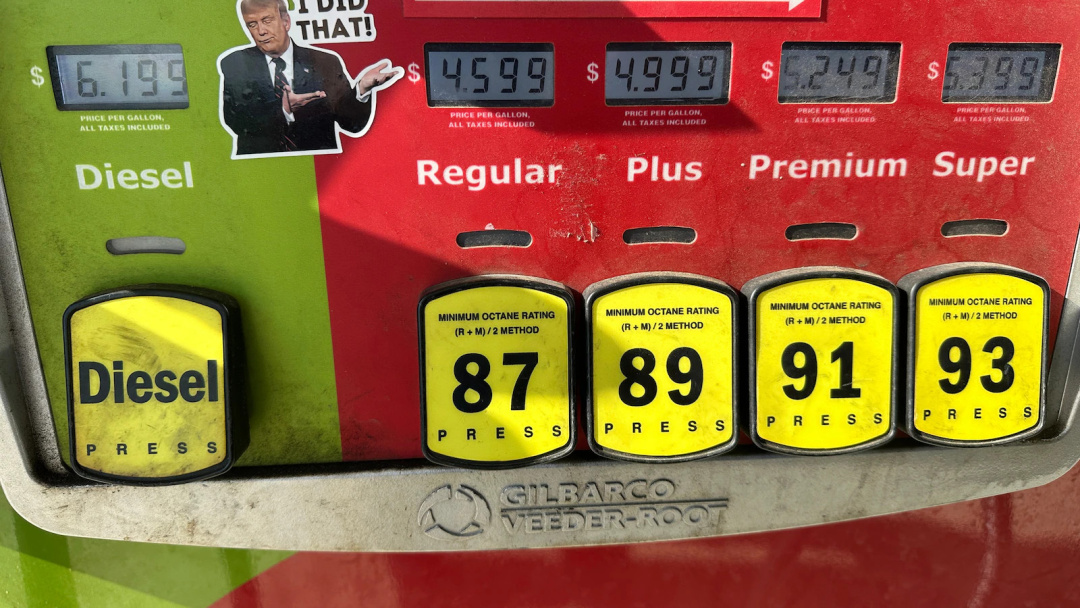
Consumer Confidence Hits Lowest Level Since 2014 Amid Rising Fuel Costs

In September, consumer confidence in the U.S. economy plummeted to its lowest level since 2014, primarily due to escalating fuel costs that heightened inflation concerns. The Conference Board announced that its consumer confidence index decreased by 6.7 points, falling to 81.9 from 88.6 in August. This decline was unexpected, as economists had predicted a slight increase to 89.
This marks the third consecutive month of declining confidence, with negative assessments of both current economic conditions and future expectations. Dana M. Peterson, the chief economist at the Conference Board, noted that the index's deterioration was significant following two months of softening.
Market Reading & Resources
Sponsor funding complete. Trade on.
The Present Situation Index, which gauges current business and labor market conditions, dropped by 7.9 points to 109.3. Meanwhile, the Expectations Index, which reflects outlooks for business, employment, and income, fell by 5.9 points to 63.6, indicating a continued downward trend.
Consumers expressed growing concerns about living costs, with mentions of high prices for goods and services, particularly fuel, reaching unprecedented levels. This pressure has affected household finances, with more respondents reporting their financial situation as poor rather than good, marking only the second time this negative sentiment has been recorded since the question was introduced four years ago.
For the first time since September 2024, assessments of current business conditions turned negative, with 20.4 percent of respondents describing conditions as bad, up from 17.3 percent. The perception of job availability also declined, with the percentage of consumers viewing jobs as plentiful decreasing to 23.6 percent, while those considering jobs hard to get rose to 21.9 percent.
Despite the low unemployment rate of 4.1 percent in August and a modest job addition of 162,000, consumers are anticipating a decline in job opportunities. Approximately 28.4 percent expect fewer jobs in the next six months, compared to 14.0 percent who foresee an increase. Although households are still more likely to expect income growth rather than decline, this margin has narrowed.
Inflation expectations have also risen, with consumers estimating an average inflation rate of 6.1 percent over the next year, an increase from August. Additionally, the percentage of consumers anticipating higher interest rates jumped to 68.4 percent.
Confidence levels have decreased across political affiliations and age groups, with spending intentions softening as well. Plans to purchase homes and vehicles have declined, and consumers are cutting back on discretionary spending, although there is a slight increase in vacation plans, indicating a preference for domestic travel over international trips.