Fed's Williams Highlights Uncertainty Over Long-Term Neutral Interest Rate
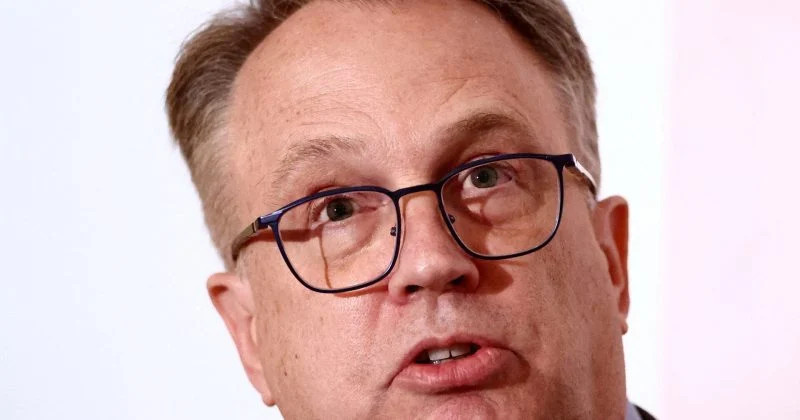
John C. Williams, President of the Federal Reserve Bank of New York, has openly acknowledged the uncertainty surrounding the long-term neutral interest rate, a critical factor for risk assets, including cryptocurrencies. His recent comments underscore the challenges in pinpointing this rate, which is defined as the interest rate that neither stimulates nor restricts economic growth. Williams, who co-developed the widely utilized Holston-Laubach-Williams (HLW) model, currently estimates the US real neutral rate to be between 1.1% and 1.5%. In nominal terms, the New York Fed's estimates suggest a rate of approximately 3.7%, but these figures come with substantial confidence intervals, indicating a significant degree of uncertainty.
The historical context adds depth to this discussion, as estimates of the neutral rate have decreased several percentage points since the 1970s and 1980s. Williams noted in 2025 that there is "no evidence that the era of very low natural rates of interest has ended," suggesting that the current economic landscape may continue to experience low rates. Alternative models reviewed by central banks indicate interquartile ranges for the US neutral rate between 0.42 and 0.75 percentage points, further complicating the picture.
Market Reading & Resources
Sponsor funding complete. Trade on.
The implications of a neutral rate remaining near 1.1% to 1.5% in real terms are significant, contrasting sharply with the 3% to 4% levels observed in previous decades. Williams highlighted the various factors contributing to the difficulty in estimating this rate, including productivity trends, demographic changes, and fiscal policy. The New York Fed updates its HLW model estimates quarterly, reflecting ongoing adjustments to these economic indicators. Notably, following Williams' statements in July 2026 regarding the uncertainty of the long-term neutral rate, no immediate reactions were detected in cryptocurrency asset prices, indicating that traders may not yet fully grasp the implications of these developments.