Iran Exports 10 Million Barrels of Oil Amid US Sanctions
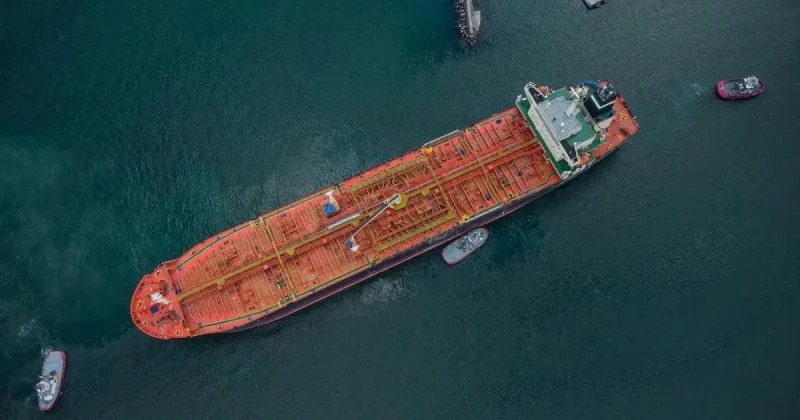
On July 9, Iran executed a significant oil export, shipping around 10 million barrels of crude and fuel in what appears to be a single overnight operation, according to shipping data from TankerTrackers.com. This action followed the US government's revocation of a temporary oil sales waiver just two days earlier, on July 7, which effectively ended a fragile ceasefire agreement that had been in place since June 2026. In response, Iran sought to maximize its crude exports before any potential naval blockade could be implemented.
Prior to this surge, Iranian crude exports had already fallen to between 200,000 and 260,000 barrels per day in May 2026, marking a six-year low due to stringent US sanctions imposed in April. As a result of these restrictions, approximately 147 million barrels of Iranian oil were reported to be in floating storage as of May 2026, with tankers unable to find markets for their cargo.
Market Reading & Resources
Sponsor funding complete. Trade on.
The ceasefire agreement had provided a temporary reprieve, allowing limited Iranian oil sales to ease tensions in the Strait of Hormuz following several tanker attacks that had raised concerns about global shipping security. However, the US's recent actions have closed that window of opportunity.
During the ceasefire, Iran had considered utilizing Bitcoin to collect transit tolls through the Strait of Hormuz, charging around $1 per barrel to maintain revenue without engaging with the traditional banking system, which has been largely inaccessible due to sanctions.
The escalation in oil prices resulting from the US-Iran tensions is expected to exert downward pressure on Bitcoin and other digital assets. Higher energy costs can influence inflation expectations, making central banks less inclined to reduce interest rates. This tightening of liquidity conditions could diminish the appeal of speculative investments.
Moreover, there is a risk of regulatory repercussions. The US Treasury has a history of responding to sanctions evasion through cryptocurrency with stringent enforcement actions, including expanding OFAC designations and pressuring exchanges to delist tokens or block wallets linked to sanctioned entities.











