Consumer Sentiment Declines Amid Inflation Concerns
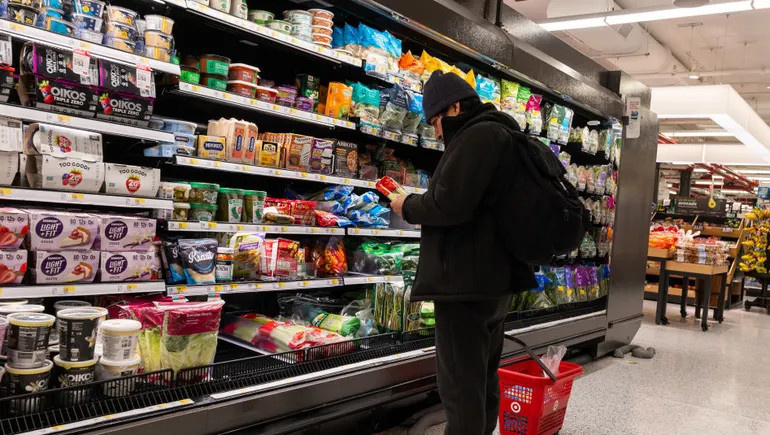
Consumer sentiment has fallen to a four-month low, reflecting growing concerns about inflation and overall business conditions. Despite this decline in sentiment, consumers have not reduced their spending. In fact, retail sales across a broad range of goods rose by 1.2% in August, surpassing forecasts after a 0.5% decrease in July. This increase marks a 6% rise in sales compared to the same period last year.
Anna Paulson, president of the Federal Reserve Bank of Philadelphia, noted that while consumer sentiment is low, the spending data suggests a different narrative. She highlighted that real consumption growth accelerated to an annualized rate of 3.4% in the second quarter of the year.
Market Reading & Resources
Sponsor funding complete. Trade on.
Experts suggest that consumers may be motivated to spend now to avoid higher prices in the future. Hsu pointed out that buying conditions for durable goods have improved slightly, as consumers perceive that making purchases now could help them sidestep escalating prices later.
Inflation expectations have also risen, with consumers anticipating a 4.6% inflation rate over the next year, up from 4% in August. This expectation is significantly higher than the 3.4% seen earlier in the year before geopolitical tensions escalated.
The Federal Reserve has responded to persistent inflation by raising the federal funds rate to a range between 3.75% and 4%, marking its first tightening in three years. Cleveland Fed President Beth Hammack emphasized the uncertainty surrounding the inflation outlook, citing various supply shocks as contributing factors.
Paulson reiterated the Fed's commitment to returning inflation to its 2% target, stating that achieving this goal is nonnegotiable. She expressed her support for policies that would help achieve this target while considering the potential impacts on the labor market.