Reforms to Enhance Federal Reserve's Transparency and Accountability
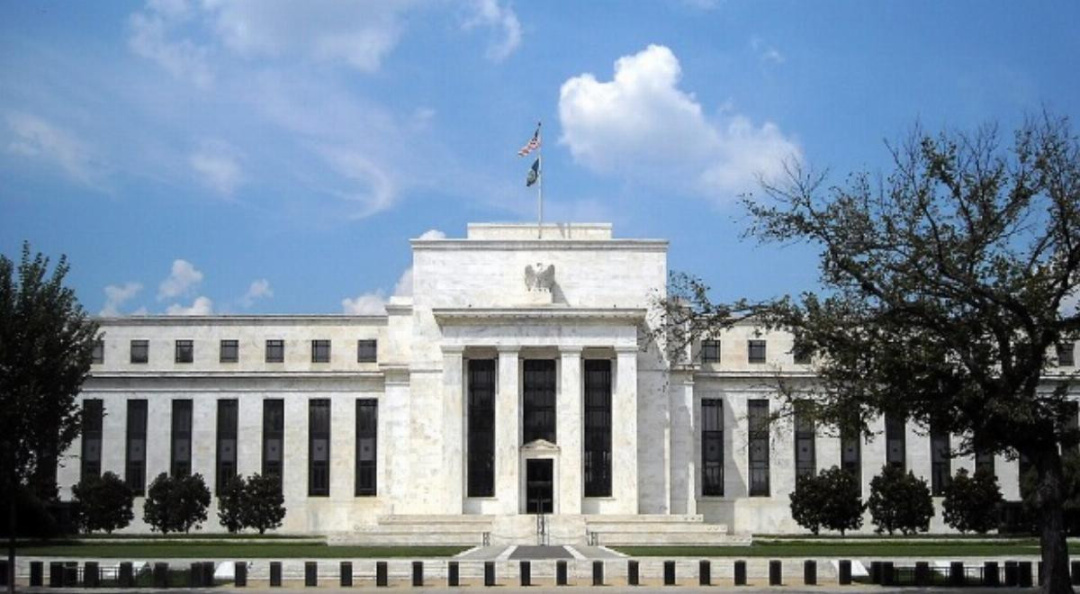
A recent discussion highlights the need for Congress to preserve the independence of the Federal Reserve while simultaneously enhancing its transparency and accountability. The Federal Reserve was designed to operate above the political fray, but its current structure may require additional safeguards to ensure it remains effective and credible. Skepticism about the Fed's nonpartisanship has grown, particularly among those who feel it has acted against the economic policies they support.
Meda Parameswara Reddy, Ph.D., has identified significant deficiencies in the Fed's design that undermine its credibility. He proposes several reforms aimed at increasing transparency without compromising the institution's independence. Reddy suggests implementing a public, rule-based policy framework that would require the Fed to provide written explanations whenever it deviates from established guidelines. This would help clarify the rationale behind its decisions and foster public trust.
Market Reading & Resources
Sponsor funding complete. Trade on.
Additionally, Reddy advocates for greater disclosure requirements to eliminate potential conflicts of interest and recommends that the chair of the Federal Reserve serve a single, longer, nonrenewable term. This change would reduce the incentive for the chair to align with the political interests of the current administration, thereby promoting impartiality in decision-making.
While these recommendations could enhance the Fed's legitimacy, they do not fully address the constitutional questions surrounding the limits of the Fed's independence. The potential for ideological bias within the Fed, influenced by the backgrounds of its members, raises concerns about its ability to remain neutral in politically charged environments.
The discussion also touches on the lack of mechanisms for Congress or the President to intervene in Fed policy during emergencies. A proposed solution is to create a legislative framework akin to the War Powers Resolution, allowing for limited congressional intervention under strict conditions. This would ensure that the Fed's independence is not jeopardized while providing a means for oversight in critical situations.
As public concern about the Fed's credibility grows, the proposed reforms could be timely. Implementing these changes may help restore confidence in the institution and ensure that it operates effectively in the best interest of the economy.