Consumer Sentiment Declines in September Amid Inflation and Politics

Consumer sentiment fell in September as surging fuel prices heightened inflation fears and the looming midterm elections dimmed the economic outlook for both Republicans and Democrats. The University of Michigan's final consumer sentiment index decreased to 48.1 in September, down from the previous month and representing the lowest reading in four months. This figure shows a slight improvement from the mid-month preliminary reading of 47.8.
The revival of inflation pressures, exacerbated by the ongoing conflict in Iran, has significantly impacted consumer sentiment, pushing it toward historic lows. The Federal Reserve raised interest rates this month in response to the realization that the conflict would not resolve quickly, leading to sustained high oil prices.
Market Reading & Resources
Sponsor funding complete. Trade on.
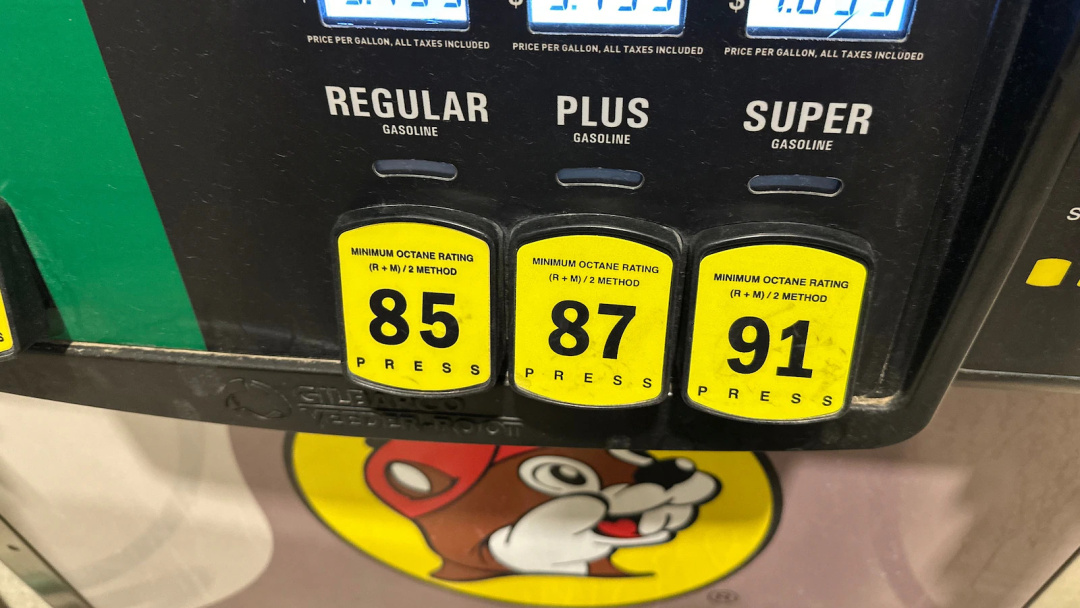
Joanne Hsu, director of the survey, noted that the short-term outlook for business conditions has declined sharply due to renewed concerns that elevated fuel prices and escalating trade disputes could adversely affect the broader economy. Diesel prices reached a record high in September, while gasoline prices also surged. Despite these high fuel costs, consumers have continued to spend in other areas, demonstrating a surprising resilience likely linked to historically low unemployment rates and the lowest year-to-date jobless claims since 1969.
Consumers anticipate prices will rise by 4.6 percent over the next year, an increase from the previous month's expectation of four percent. Over the next five years, they expect prices to rise by 3.4 percent.
In September, consumer sentiment fell by seven percent compared to the previous month. Among Republicans, sentiment decreased by 5.9 percent to 77.2, while among Democrats, it dropped by 11.4 percent to 35.6. Independents saw a slight dip of 0.6 percent to 47.7.
The decline in sentiment was primarily driven by a decrease in optimism regarding the future. The assessment of current economic conditions fell by 1.9 percent in September, while the expectations gauge dropped by seven percent. Among Democrats, the expectations gauge fell by 16.2 percent, erasing earlier gains made in the summer. Republicans also saw a decline of 11.4 percent in their outlook measure, which is down by 25.2 percent since the beginning of the year. Independents experienced a 1.7 percent decline in September, with a total decrease of 10.6 percent since January.
Hsu remarked that despite political differences, consumers across the board believe the economic outlook has worsened since the start of the year. The gauge for the economic outlook for the coming year fell to its lowest level since 2022, with consumers' expectations for their personal finances also deteriorating.
Even the report's positive aspect—improved feelings about purchasing durable goods—was overshadowed by inflation concerns. The survey indicated that buying conditions for durable goods improved, primarily because consumers are eager to make purchases ahead of anticipated price increases.