Japan's Long-Term Interest Rate Reaches 3.115%, Highest in Nearly 30 Years
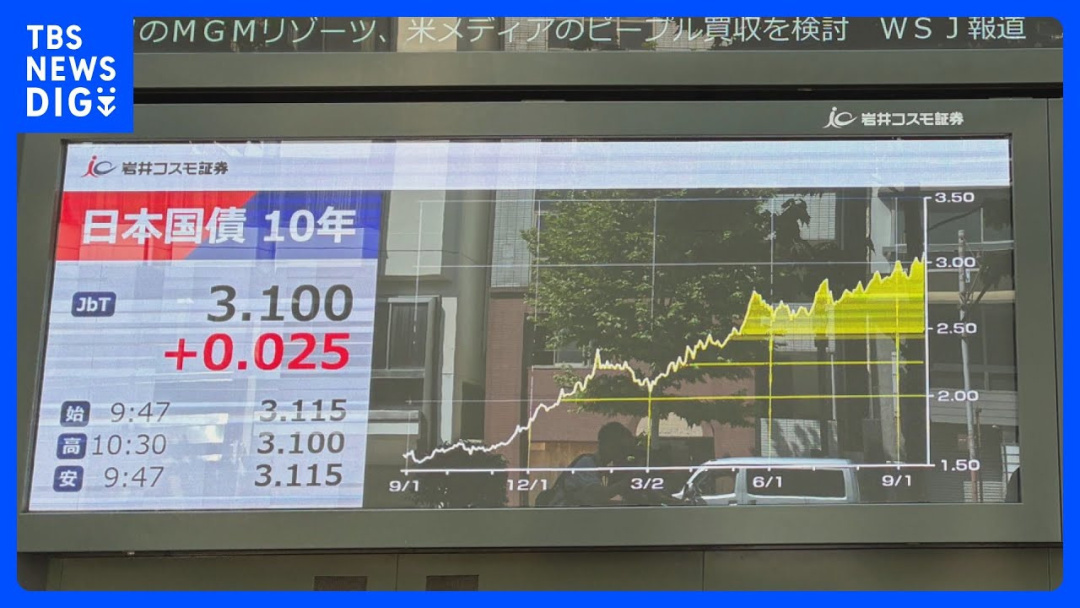
Japan's benchmark long-term interest rate has surged to 3.115% during trading, reaching its highest level in nearly 30 years for the second consecutive day. This rise is attributed to persistent inflation concerns and expectations of further interest rate hikes, which have prompted selling in government bonds. The yield on the benchmark 10-year Japanese government bond increased from 3.075% the previous day, surpassing levels not seen since August 1996.
The bond market is experiencing continued selling pressure, which is causing yields to rise as bond prices fall. This trend is exacerbated by instability in the Middle East and high crude oil prices, which have raised inflation concerns globally. The yield on the U.S. 10-year Treasury also temporarily exceeded 5.2%, with the selling pressure affecting Japanese government bonds as well.
Market Reading & Resources
Sponsor funding complete. Trade on.
Expectations that central banks worldwide will continue to raise interest rates to combat inflation are contributing to the downward pressure on bond prices. In Japan, there is speculation that the Bank of Japan may implement another interest rate hike sooner than previously anticipated, which has discouraged aggressive buying of government bonds and contributed to the rise in long-term interest rates.
In addition to the economic developments, Typhoon No. 26 (Surigae) is expected to intensify as it approaches Japan, potentially bringing severe weather conditions to Okinawa. Meanwhile, residents in flood-affected areas of Chiba Prefecture are engaged in recovery efforts following recent heavy rains.
On a different note, Japan's teenage skateboarders achieved notable success at the Aichi-Nagoya Asian Games, winning two gold medals and two bronze medals. In other news, a major traffic accident in Kobe resulted in injuries, and an All Nippon Airways flight made an emergency landing due to engine trouble.
Tokyo's stock market showed positive movement, with the Nikkei 225 index rising significantly as investors showed renewed interest in semiconductor and artificial intelligence-related stocks. Additionally, the beer industry in Japan is preparing for a significant transformation due to upcoming changes in liquor tax regulations.
As Japan transitions to an economy with higher interest rates, the impact on households is becoming evident, with younger generations facing increased mortgage repayments while older savers benefit from higher deposit interest rates following the Bank of Japan's recent policy rate hike.