Kansas City Fed Reports Significant Increase in Factory Activity for September
Factory activity in the central United States saw a sharp increase in September, according to a survey released by the Federal Reserve Bank of Kansas City. This report is part of a series indicating that the economy is gaining momentum as it approaches the fourth quarter. The Kansas City Fed's composite index of manufacturing activity rose to 14, up from 10 in August and 9 in July, exceeding economists' expectations of a decline to 8. This marks the strongest reading in over a year and the fourth consecutive month of significant gains. Readings above zero indicate expansion.
The increase in the index was largely driven by demand, with the new-orders index jumping to 24 from 16, and the order-backlog measure rising to 13 from 4. The production index also climbed to 20, while shipments increased to 21. Notably, every month-over-month component of the survey was at or above zero, signaling broad-based growth.
Market Reading & Resources
Sponsor funding complete. Trade on.
Cortney Cowley, an assistant vice president at the Kansas City Fed, noted that manufacturing activity in the district continued to rise, with growth observed across both durable and nondurable goods producers. The report highlighted strong performance from manufacturers of plastics, rubber products, and furniture-related goods.
This Kansas City report follows a nationwide survey indicating that U.S. business activity is expanding at its fastest rate in years. The S&P Global US PMI Composite Output Index increased from 56.0 in August to 58.4 in September, marking the strongest expansion since July 2021. Manufacturing activity rose to 57.0 from 53.9, while services improved to 58.7.
Manufacturers in the Kansas City Fed's district, which includes Colorado, Kansas, Nebraska, Oklahoma, Wyoming, northern New Mexico, and western Missouri, reported an expansion of the workweek, which is beneficial for worker paychecks. The average-workweek index surged to 13 from 1. Additionally, supplier delivery times lengthened, indicating strong demand, and finished-goods inventories increased.
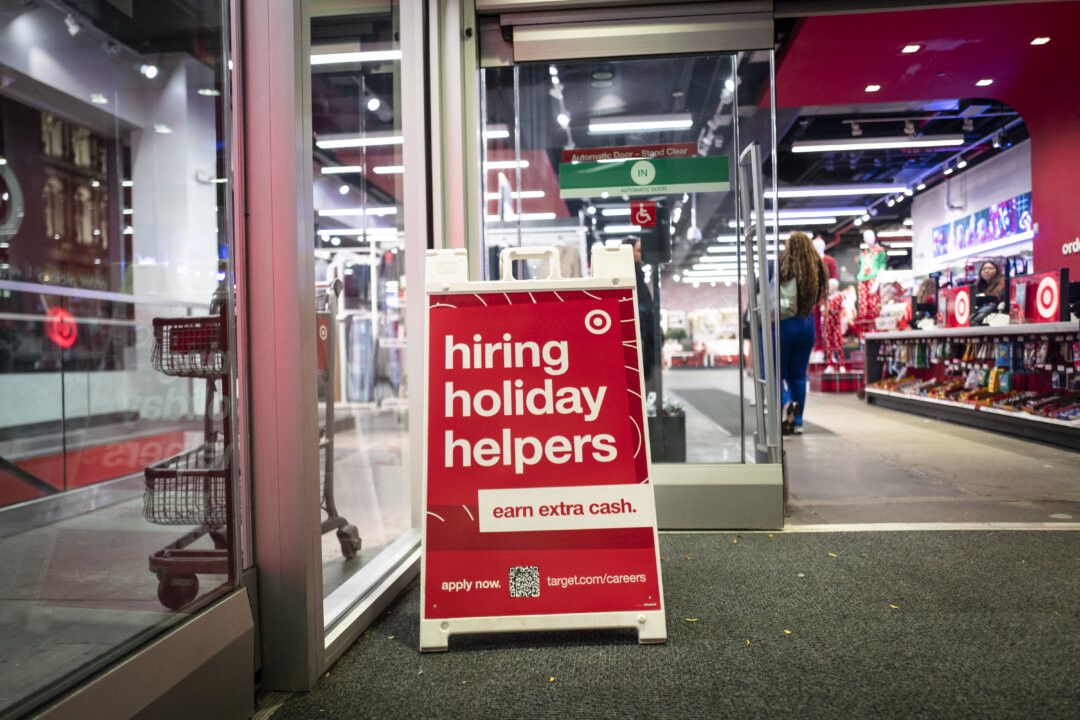
However, hiring did not keep pace with the overall growth. The employment index remained at zero for the second consecutive month, likely reflecting a tight labor market characterized by low unemployment and decreased jobless claims. Some executives indicated a shift towards automation to manage increased business without expanding their workforce.
The outlook among regional factory managers remains positive, with the Kansas City Fed's index of expected activity for the next six months at 19, slightly down from 20 in August. Expected production and new orders also showed strong figures, suggesting optimism for the fourth quarter.
The survey, conducted from September 16 to 21, received 101 responses, providing a comprehensive view of the current manufacturing landscape in the region.