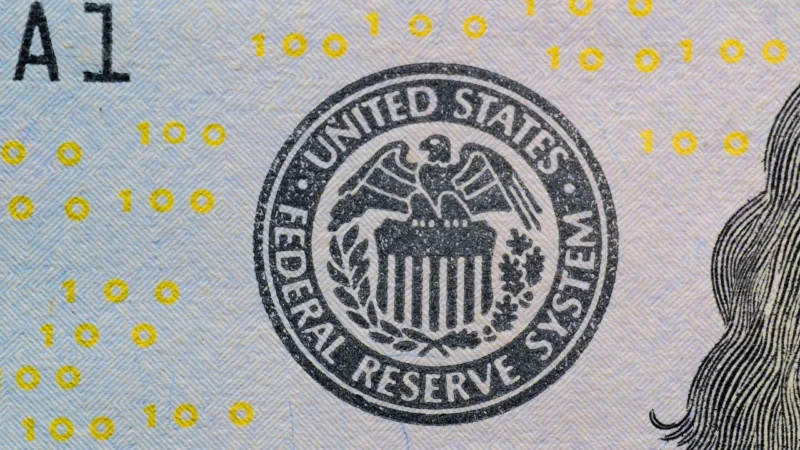
Federal Reserve Proposes New Regulations for Stablecoin Issuers

The Federal Reserve has put forth a proposal that establishes new capital, redemption, and regulatory requirements for stablecoin issuers as it seeks to implement the GENIUS Act. This act mandates that stablecoin issuers maintain reserves that fully back their tokens on a one-to-one basis, restricting the types of assets they can hold to cash, bank deposits, and short-term U.S. Treasuries. The act also empowers federal regulators to define more detailed requirements regarding capital, reserve diversification, and risk management.
Under the proposed regulations, stablecoin issuers would incur an operational-risk capital charge of 2% for the first $20 billion in stablecoins issued, 1.5% for the next $30 billion, and 1% for amounts exceeding $50 billion. Additional capital requirements would be tied to credit and operational risks.
Market Reading & Resources
Sponsor funding complete. Trade on.
Issuers would be required to process redemptions within two business days. Should their reserves fall below the mandated one-to-one backing, they must notify the Federal Reserve and either restore their reserves through a remediation plan or liquidate them to redeem outstanding stablecoins.
Furthermore, issuers will need to publish monthly reports detailing their outstanding stablecoins and the composition and value of their reserves. These disclosures must be audited by a registered public accounting firm and certified by the issuer's CEO and CFO.
A separate proposal outlines an application process for banks supervised by the Federal Reserve that wish to issue payment stablecoins through subsidiaries. This process will require the submission of a business plan and relevant financial information.
The proposals will be open for public comment for 60 days following their publication in the Federal Register. Fed Governor Michael Barr expressed support for the proposal but emphasized the need for further work to ensure that stablecoins can be reliably redeemed at par under various conditions, particularly during market stress.
Barr highlighted the importance of the proposed limits on reserve assets and standardized capital requirements, while also calling for public feedback on whether the framework adequately addresses risks related to interest rates and foreign currencies. He stressed the necessity of clearly establishing universal redemption rights in the final rule and raised concerns about a standard that would limit the Fed's supervisory actions regarding anti-money laundering deficiencies unless deemed significant or systemic.
The GENIUS Act is scheduled to take effect on January 18, 2027, or 120 days after federal regulators finalize the implementing rules, whichever occurs first.