Sudan's Families Face Economic Hardship Amid Currency Collapse and Inflation
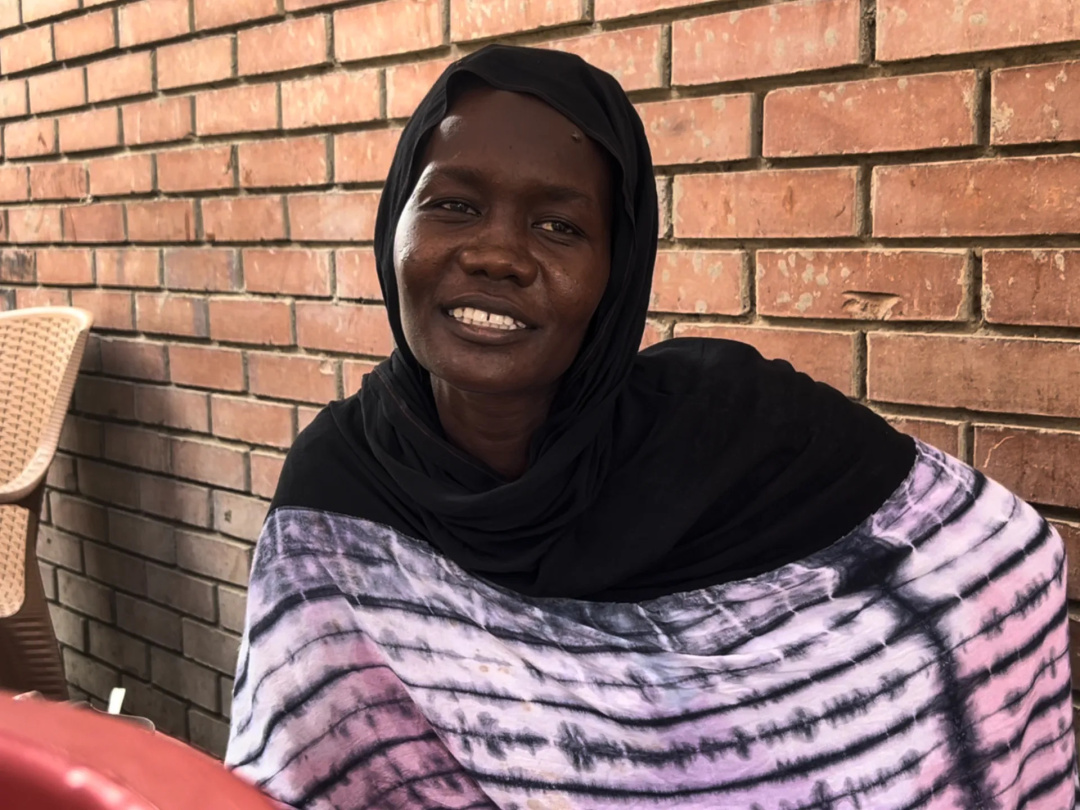
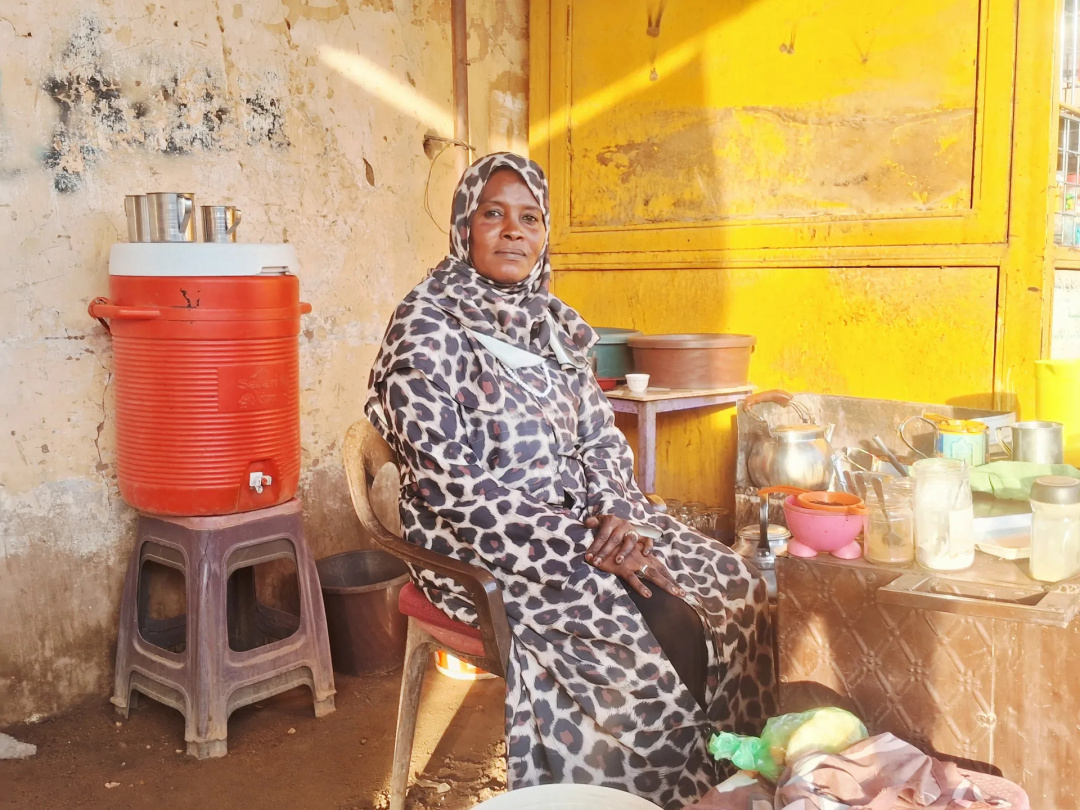
In Port Sudan, Aisha, a 27-year-old tea vendor, pours another cup of tea at her makeshift outdoor stand, hoping her sales will help support her family. The ongoing conflict in Sudan, now in its fourth year, has severely impacted the economy, leading to a significant decline in the value of the Sudanese pound and rising costs for essential goods. For Aisha, these economic indicators are not abstract; they manifest in the widening gap between her earnings and her family's needs.
Before the war, Aisha sold coffee for 1,000 Sudanese pounds, earning about 30,000 pounds daily, which was sufficient to cover her family's expenses. Now, she charges 3,000 pounds for coffee and 1,500 pounds for tea, with daily earnings ranging from 70,000 to 100,000 pounds. However, these increased earnings are overshadowed by the rising costs of living. Aisha notes that the same amount of money that once bought five pieces of bread now only buys three, and the price of sugar has surged from 4,000 pounds to 7,000 pounds per kilogram.
Market Reading & Resources
Sponsor funding complete. Trade on.
The war has disrupted production and exports, leading to a shortage of foreign currency and a weakened economy. According to Sudan's Central Bureau of Statistics, annual inflation was over 41 percent in July, down from 51 percent in June, but prices continued to rise, further straining household budgets. The United Nations Development Programme estimates that Sudan lost approximately $6.4 billion in GDP in 2023, with the economy shrinking by more than 40 percent during the conflict.
The Sudanese pound has depreciated sharply, with black market rates reaching 7,500 pounds to the dollar by late September. Economic analyst Mohyeldin Mohamed attributes this decline to the war's disruption of productive industries and the alleged looting and smuggling of resources by paramilitary forces. He advocates for immediate measures to boost domestic food production and long-term reforms to stabilize the economy.
As families like Aisha's struggle to cope with rising costs, the decline of the Sudanese pound has eroded purchasing power, forcing many to cut back on meals, delay medical treatment, and withdraw children from school. Maryam Ibrahim, an aid worker and economics researcher, highlights the urgent need for humanitarian assistance linked to longer-term support for livelihoods and agriculture.
The World Bank projects that extreme poverty in Sudan will rise from 48 percent in 2023 to 59 percent in 2025, with millions facing acute food crises. Ibrahim emphasizes that cash assistance from NGOs can help families prioritize their needs, but it must be adjusted regularly to reflect rising costs. She argues that a sustainable response requires humanitarian access, support for local markets, and the restoration of public services.
For families like Aisha's, the ongoing economic challenges are felt in their daily decisions about food, expenses, and how far their earnings will stretch. The situation remains dire as they navigate the complexities of survival amid a collapsing economy.