AI Demand Raises Inflation Concerns for Federal Reserve
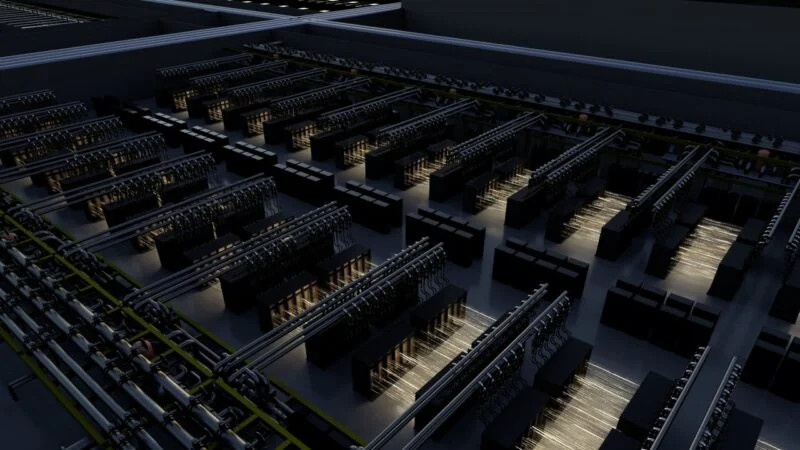
Federal Reserve officials are increasingly concerned about inflation driven by the robust demand for artificial intelligence (AI) infrastructure. According to minutes from the latest monetary policy meeting, there was a division among policymakers regarding whether to raise interest rates or maintain the current levels. Many members of the Federal Open Market Committee noted that the ongoing strong demand for AI infrastructure is likely to exert upward pressure on prices for technology products and electricity.
This inflationary pressure, often referred to as "chipflation," arises from the escalating costs of semiconductors that are essential for data centers. The heightened demand for these components, coupled with competition for energy resources among data centers, has led to increased consumer prices for a variety of electronic goods and power. As the demand for AI continues to rise, these inflationary trends may persist.
Market Reading & Resources
Sponsor funding complete. Trade on.
Higher inflation typically poses challenges for risk assets, including cryptocurrencies, as it tends to reduce liquidity and spending power while increasing interest rates. This environment makes borrowing more expensive and cash investments more appealing. Participants in the Fed's discussions anticipated that inflation would remain elevated in the near term, although they suggested it might decline if geopolitical tensions in the Middle East ease. Nonetheless, they acknowledged that the risks to the inflation outlook remain skewed toward the upside.
The growth of AI is a double-edged sword, contributing to both economic expansion and inflationary pressures. The Fed's "dot plot" indicates a likelihood of interest rate hikes rather than cuts, with nine out of 18 voting members forecasting at least one rate increase before the end of 2026, and six anticipating two 25-basis-point hikes. The central bank's projection for year-end PCE inflation has also risen from 2.7% to 3.6%.
At its June meeting, the Fed opted to keep rates steady at 3.5% to 3.75%. Current CME futures markets suggest a 70% probability that rates will remain unchanged at the upcoming meeting on July 29. Nick Ruck, director of LVRG Research, commented that the Fed's recent meeting underscores how the extensive buildout of AI infrastructure is driving inflation through increased demand for semiconductors, energy, and data centers, even as it promises future productivity gains.
Ruck emphasized that while this short-term inflationary pressure complicates monetary policy, it also highlights the necessity for innovative solutions in decentralized technologies to optimize resource allocation and alleviate bottlenecks in the digital economy. Analysts have noted that the cryptocurrency markets could potentially benefit from any Federal Reserve interventions aimed at supporting the booming U.S. equity market during a downturn.