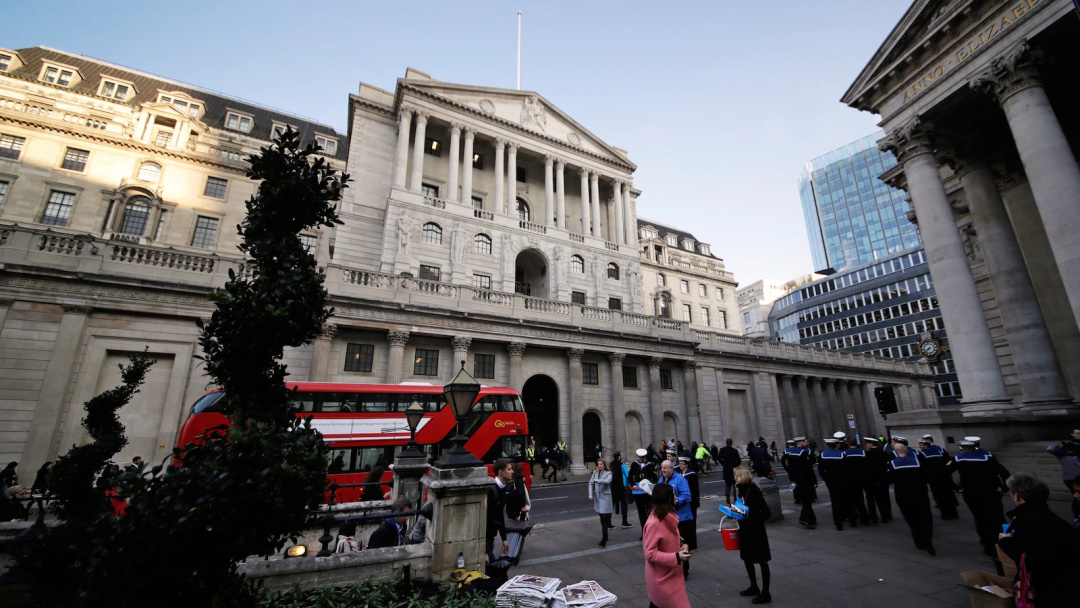
Bank of England's Sarah Breeden Addresses Inflation Risks Amid Public Concern
Sarah Breeden, the Deputy Governor for Financial Stability at the Bank of England, recently addressed the ongoing challenges posed by inflation during a speech on September 30. She underscored the delicate balance the Monetary Policy Committee (MPC) must maintain between combating inflation and preventing excessive restrictions that could hinder economic growth. As of August 2025, UK inflation stood at 3.8%, with projections suggesting it could peak at around 4% in September, significantly above the central bank's target of 2%. This situation has heightened public awareness and concern regarding rising prices.
The BoE/Ipsos Inflation Attitudes Survey revealed that median short-term inflation expectations are at 3.2%, while longer-term expectations are at 3.7%. Breeden noted that when consumers anticipate continued price increases, these expectations can often become self-fulfilling. Beyond inflation, households are also expressing anxiety about job security and the potential slowdown of the economy. Recent analysis from the BoE indicates that sensitivity to food prices among households has nearly doubled in recent years, driven by external shocks such as rising food and energy costs, as well as payroll taxes.
Market Reading & Resources
Sponsor funding complete. Trade on.
Despite these pressures, Breeden pointed out that only about 10% of households plan to seek higher wages in response to inflation, which is a crucial factor in avoiding wage-price spirals that could exacerbate inflationary pressures. She cautioned the MPC against maintaining overly restrictive policies for extended periods, as this could negatively impact output and employment levels.
Breeden highlighted that the current labor market has enough slack to mitigate the risk of significant second-round inflation effects, contrasting with the tighter job market conditions of 2022. With the Bank Rate currently at 3.75%, the MPC faces a critical challenge: keeping rates too high for too long could push the economy into a downturn, while cutting rates prematurely might reinforce public expectations of persistent inflation.
The disparity between the actual inflation rate of 3.8% and the BoE's target creates uncertainty for those pricing UK assets. Consumer inflation expectations remain anchored above 3% for both short and long-term horizons, indicating skepticism about the central bank's ability to meet its target in the near future. Breeden's remarks suggest that the BoE perceives the current inflationary pressures as primarily supply-driven and externally influenced, rather than indicative of an overheating economy that necessitates drastic policy measures.