Tashkent Dialogue Urges Caution Against Premature Rate Cuts in Uzbekistan
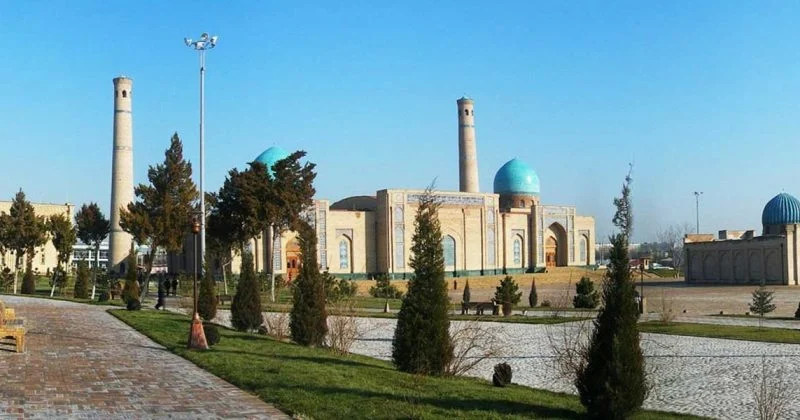
Central bankers and economists from the Bank of England, MIT, and Oxford convened in Tashkent to discuss the critical importance of maintaining interest rates as Uzbekistan nears its inflation target. The Tashkent Monetary Policy Dialogue, held around June 29, conveyed a clear message: cutting rates prematurely could reverse years of progress in stabilizing the economy.
Uzbekistan has made significant strides in reducing inflation, which stood at approximately 20% in early 2018 and fell to 5.5% by May 2026. Core inflation is around 5.7%, and inflation expectations have halved from about 20% to 10%. The Central Bank of the Republic of Uzbekistan (CBU) aims for an official target of 5%.
Market Reading & Resources
Sponsor funding complete. Trade on.
CBU Governor Timur Ishmetov acknowledged the achievements but warned against complacency. Historically, the final stages of inflation reduction are the most challenging, and the temptation to declare victory prematurely could undermine a decade of disciplined policy.
The CBU has maintained its policy rate at 14% during its April and June 2026 meetings, following a cautious 50 basis point cut to 13.5% in July 2024. This measured approach reflects a commitment to data-driven decision-making rather than aggressive easing.
A notable indicator of economic confidence is the reduction in dollarisation, suggesting that the population is beginning to trust its own currency. The combination of lower inflation, decreasing expectations, and reduced dollarisation creates a positive feedback loop.
For foreign investors, the stance taken by the CBU signals a commitment to policy discipline, which is essential for attracting long-term capital. Holding rates steady at 14% while inflation is at 5.5% reduces currency risk, making exchange rate fluctuations more predictable.
However, the challenge lies in maintaining political patience. Keeping rates at 14% amid declining inflation requires a central bank insulated from immediate pressures to stimulate growth. The Tashkent dialogue aimed to build a robust intellectual framework to support this patience, leveraging the credibility of institutions like the Bank of England and Oxford.
If the CBU decides to lower rates, the timing and pace will be crucial. A gradual and well-communicated easing cycle that preserves positive real rates would likely be welcomed by the market. Conversely, an unexpected cut before reaching the inflation target could reset expectations, counteracting the careful messaging of the dialogue.