Australia's Unemployment Rate Reaches 4.6%, Interest Rate Hike Expected
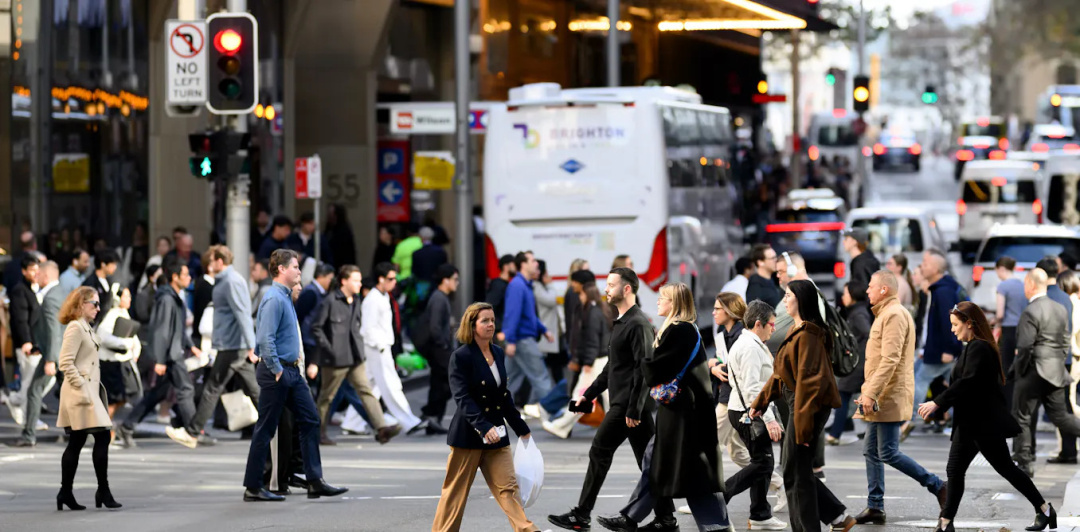
The unemployment rate in Australia has climbed to 4.6% in August, according to the latest figures from the Australian Bureau of Statistics. This marks the highest unemployment rate since November 2021. Since the beginning of the year, the unemployment rate has increased by 0.5 percentage points from 4.1% in December.
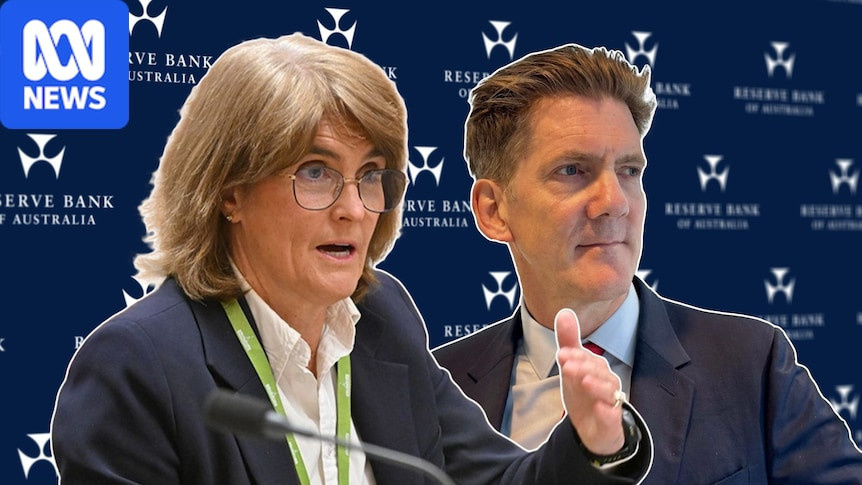
Despite this upward trend in unemployment, it is unlikely to deter the Reserve Bank of Australia from raising interest rates in the upcoming week. Reserve Bank Governor Michele Bullock has indicated that a higher unemployment rate may be necessary to help control inflation, suggesting that a rate between 4.5% and 5% could alleviate some inflationary pressures.
Market Reading & Resources
Sponsor funding complete. Trade on.
If the unemployment rate were to reach 5%, it would mean approximately 55,000 additional Australians would be unemployed, on top of the 28,000 who lost their jobs between July and August. In 2026, employment has grown by about 1.2%, maintaining the employment-to-population ratio at 63.9%, slightly down from a peak of 64.4% in 2023.
The increase in unemployment is attributed to a rising labor force participation rate, which has grown by 0.4 percentage points to 67.1% in August. Additionally, the rate of underemployment has also increased, from 5.7% in December to 6.2% in August.
Young Australians, particularly those aged 15 to 24, are most affected by fluctuations in the labor market. Their employment rate, which peaked at 66.6% in late 2022, has now decreased to 64%.
As the Reserve Bank prepares for its board meeting next week, financial analysts and major banks are predicting a 0.25 percentage point increase in the cash rate to 4.6%. This would mark the fourth rate hike in 2026, as the Reserve Bank has been vocal about the need to address inflation.
The central bank has identified two main factors contributing to high inflation: rising oil prices and a tight labor market. A tight labor market can lead to wage increases, which businesses may pass on to consumers, further driving up prices. However, the Reserve Bank's recent monetary policy statement indicates that growth in labor costs is only slightly above the level consistent with its inflation target of 2-3%.
Most indicators of labor market tightness are either close to or below historical trends. The Reserve Bank's expert panel suggests that the unemployment rate that would balance the labor market is around 4.4%, which is lower than the current rate.
While the Reserve Bank may consider inflation as a valid reason to raise interest rates, the justification of a tight labor market remains questionable. An increase in the cash rate could lead to a further rise in unemployment, which would be a collateral effect of efforts to control inflation rather than a necessary adjustment in the labor market.