Ghana's Economic Conditions Show Stability and Positive Growth
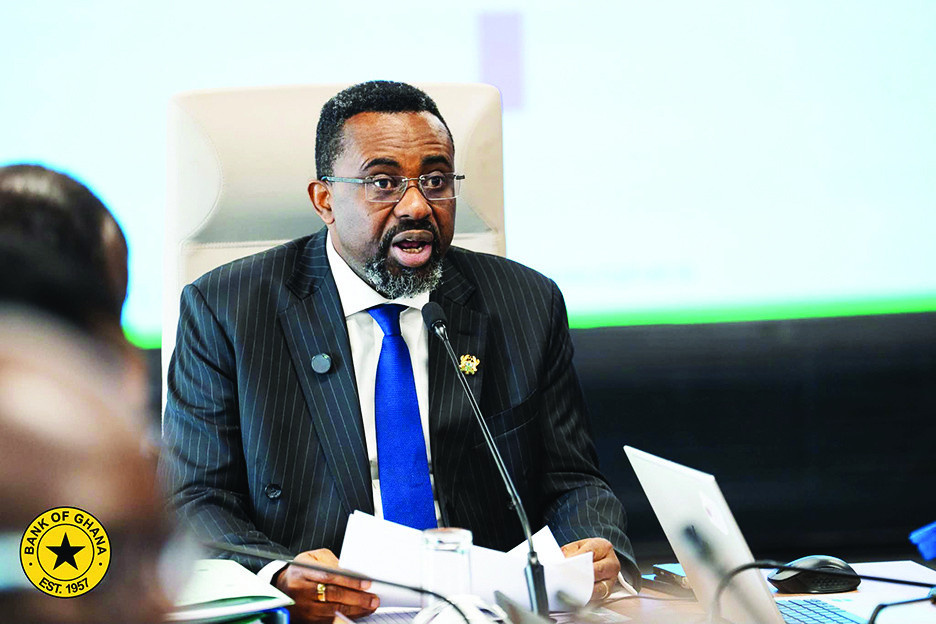
Ghana's domestic economic conditions are reported to be stable and broadly positive, with inflation remaining below the Bank of Ghana's target band. During the 132nd Monetary Policy Committee meeting held on September 23, 2026, Governor Dr. Johnson Pandit Asiama emphasized that headline inflation was recorded at 5.0 percent in August, which is below the lower limit of the Bank's target range of 8±2 percent.
Despite ongoing domestic cost pressures in sectors such as housing, transport, and services, the stability of the exchange rate has helped to mitigate imported inflation. Furthermore, inflation expectations have shown signs of easing across various surveyed groups.
Market Reading & Resources
Sponsor funding complete. Trade on.
The Governor also reported a notable increase in economic growth, with real Gross Domestic Product (GDP) expanding by 6.0 percent in the second quarter, primarily driven by the services and Information and Communications Technology (ICT) sectors. Additionally, private-sector credit has seen a sharp acceleration, although the Governor cautioned that this growth should be closely monitored.
Ghana's fiscal position is stronger than initially programmed, with a primary surplus exceeding targets. Public debt currently stands at 45 percent of GDP, and the country has received upgrades from all three major rating agencies, indicating a reassessment of its debt-distress risk from high to moderate.
The banking sector remains robust, characterized as sound, liquid, and profitable, contributing positively to the overall economic environment. These developments coincide with Ghana's new engagement phase with the International Monetary Fund (IMF), following the approval of a 36-month Policy Coordination Instrument on July 27, 2026. Dr. Asiama described this phase as a transition from crisis stabilization to consolidation, emphasizing the importance of credible monetary and fiscal policies.
The Monetary Policy Committee is currently evaluating whether the existing policy rate of 14 percent is suitable for anchoring inflation expectations, especially in light of domestic and external developments. At its last meeting in July, the Committee unanimously decided to maintain the policy rate at 14.0 percent, believing it to be appropriate for guiding inflation back into the target band while allowing time to assess the impacts of previous policy decisions.
Gross international reserves are reported at US$11.07 billion, providing 4.2 months of import cover, although a current account deficit is anticipated in the third quarter. The Governor noted that while the domestic economic position allows for some policy flexibility, the external environment will dictate how much of that flexibility can be utilized safely.
Looking ahead, Dr. Asiama highlighted the uncertainties in the global economy, particularly concerning the Middle East crisis, oil prices, and overall financial conditions. Despite these external challenges, he pointed out that Ghana's economic situation presents both risks and opportunities, such as higher gold prices supporting export earnings and government revenue, while rising energy and fertilizer costs could impact production and consumer prices. The Monetary Policy Committee will continue to assess these factors as it deliberates on the appropriateness of the current monetary policy stance.