Treasury Yields Surge Amid Positive Economic Data
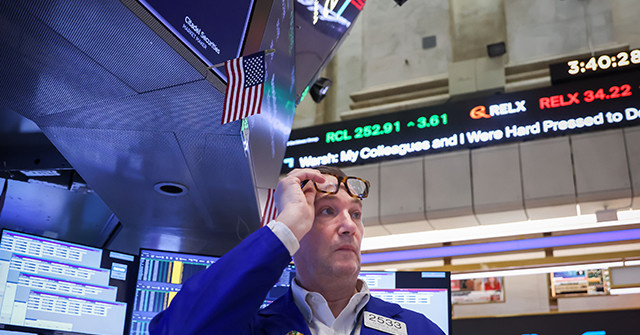
The yield on the 10-year Treasury has surged to 5.108 percent, marking its highest level since 2007. This increase comes in the wake of a report indicating that American businesses are growing at a rate that exceeds economists' expectations. Notably, this sell-off in Treasury bonds occurred without any new information regarding the federal deficit or debt.
According to S&P Global's preliminary survey for September, activity in both manufacturing and services sectors has expanded at the fastest pace in over five years. The composite index rose to 58.4 from 56.0 in August, with the manufacturing index jumping to 57.0, significantly above the anticipated 53.6. The services index also showed strength, reaching 58.7. These figures suggest that new orders and hiring are on the rise, with S&P Global indicating that the September readings are consistent with an annualized growth rate of around five percent for the month and four percent for the third quarter. The Atlanta Fed's GDPNow estimate for the quarter stood at 5.1 percent prior to this report.
Market Reading & Resources
Sponsor funding complete. Trade on.
S&P Global economists, including Chris Williamson, noted that U.S. business is thriving, with output growing at its fastest rate in September. The bond market reacted swiftly to this news, with yields rising across the Treasury market. Traders increased their bets on a potential Federal Reserve rate hike in October, with the probability of such a move rising from 53 percent to 73 percent following the report. The yield on the two-year Treasury, which is particularly sensitive to Fed policy expectations, also increased alongside the 10-year yield.
This situation challenges the notion that rising Treasury yields are solely a response from bond vigilantes concerned about federal borrowing. Instead, the sell-off appears to be a reaction to stronger-than-expected economic data, prompting investors to revise their interest rate expectations.
Inflation remains a consideration, as businesses surveyed reported rising input costs, partly due to higher energy prices. Stronger demand could lead the Federal Reserve to reassess its confidence in returning inflation to its two percent target. Consequently, a robust growth report may signal a likelihood of tighter monetary policy from the Fed. The strength of business growth suggests that there is minimal downside risk to a Fed rate increase at this time.
Federal Reserve Governor Michael Barr expressed optimism about the economy, emphasizing that while economic growth is solid, inflation remains above the target and not trending downwards in a timely manner. He indicated that the balance of risks has shifted, necessitating a recalibration of monetary policy.
The movement in shorter-term bonds highlights this distinction. If the sell-off were primarily due to an increase in the supply of long-term Treasuries or a rising premium for holding them, one would expect pressure to be concentrated at the long end of the market. However, the two-year yield rose significantly, indicating that traders are adjusting their expectations for Fed policy.
In summary, the recent Treasury sell-off is indicative of positive economic news rather than negative. The economy has delivered a significant upside surprise, leading investors to conclude that the Fed is more likely to raise rates again. The bond market's response reflects a growing recognition of economic strength, with the path from the economic report to higher yields clearly linked to expectations for Federal Reserve actions.