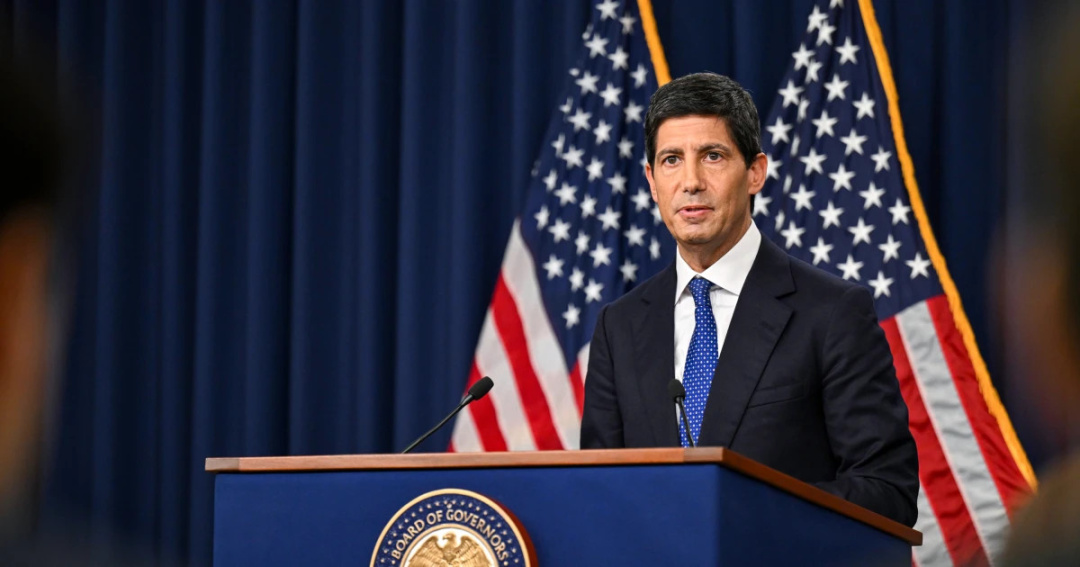
Trump Calls for 1% Interest Rates Amid Fed's Recent Hike
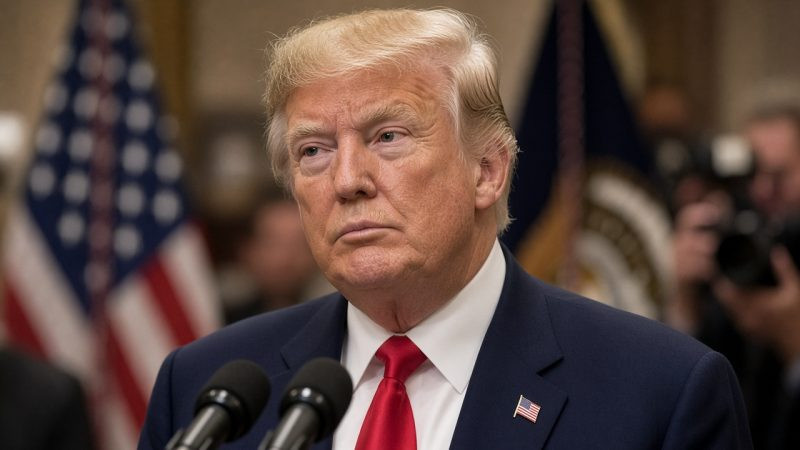
Following the Federal Reserve's recent decision to raise interest rates to a target range of 3.75% to 4%, President Trump has publicly demanded that the central bank reduce its benchmark rate to 1% or lower. This demand, made via Truth Social, has drawn sharp criticism from economists who label the proposal as 'disastrous.' They caution that such a significant cut could destabilize bond markets, increase long-term borrowing costs, and reignite inflation, which is already exceeding the Fed's 2% target.
The disparity between Trump's wishes and the Fed's stance is stark. While Trump advocates for a rate of 1% or lower, the Fed's projections indicate a median federal funds rate of 4.1% through the end of 2026 and into 2027. This is not a new request for Trump; he has been advocating for lower rates since early 2025, reiterating his position in June and September of 2026. His arguments typically emphasize America's strong creditworthiness and the potential for economic growth that cheaper borrowing could facilitate.
Market Reading & Resources
Sponsor funding complete. Trade on.
In contrast, the Fed remains focused on controlling inflation, which is currently above 3%. The central bank's decision to raise rates instead of cutting them signals its commitment to price stability over stimulating growth. Trump's criticism of the Federal Reserve board, which he described as 'very hostile,' is particularly noteworthy given that the Fed chair, Kevin Warsh, is one of his appointees.
Analysts are concerned about several interconnected risks stemming from Trump's demand. A reduction in borrowing costs to 1% could flood the economy with cheap capital, exacerbating inflationary pressures. The Fed has spent years working to bring inflation down from its post-pandemic highs.
Moreover, if the Fed were to bow to political pressure and implement such a drastic rate cut, it could undermine investor confidence in the central bank's independence, leading to a sell-off in Treasuries. This scenario could paradoxically result in higher long-term borrowing costs, even as short-term rates decrease.
The situation illustrates a classic conflict between a president seeking loose monetary conditions to boost economic growth and a central bank prioritizing inflation control. Historically, the Fed has chosen to disregard political noise and adhere to economic data, a strategy that appears to be maintained under Warsh's leadership. The recent rate hike serves as a clear indication that the Fed views inflation control as its primary mandate, irrespective of the executive branch's preferences. Fed projections suggest that interest rates will remain near 4.1% well into 2027.