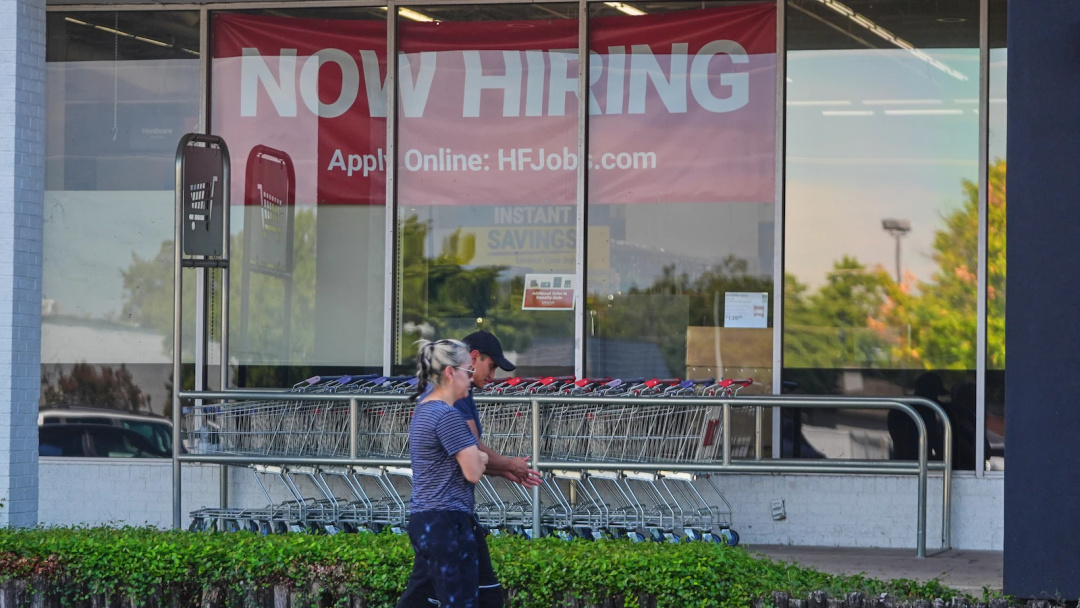
Job Market Anxiety Among Americans Reaches Highest Level in 13 Years

As Wall Street continues to reach record highs, Main Street workers are grappling with unprecedented job market anxiety, the highest it has been in 13 years. This shift in sentiment is particularly evident among six-figure earners, who are increasingly concerned about their job security in the face of changing economic conditions.
The New York Fed's recent Survey of Consumer Expectations reveals that 44.4% of Americans anticipate a rise in the unemployment rate over the next year, marking the highest level of workforce anxiety since the Federal Reserve began tracking this data in 2013, excluding the pandemic year of 2020. Concurrently, the perceived likelihood of securing a new job after a layoff has fallen to 51.8%, nearing a historic low.
Market Reading & Resources
Sponsor funding complete. Trade on.
This anxiety is notably concentrated among higher-income households, indicating a white-collar slowdown. Corporations are prioritizing efficiency and cash flow over expanding their workforce, leading to a significant shift in corporate strategies. Investors are now faced with the challenge of adapting their capital allocation strategies to this evolving landscape.
A major factor contributing to this surge in job anxiety is the rapid advancement of artificial intelligence. Companies are increasingly implementing generative AI technologies to streamline operations, which poses a threat to traditional job roles. Major tech firms like Alphabet and Microsoft are at the forefront of this transformation, integrating AI tools into their workflows to reduce reliance on human labor.
As of August 2026, U.S. tech companies have already cut 140,000 jobs this year, with significant layoffs from giants such as Amazon, Oracle, Meta Platforms, and Microsoft. This trend highlights the vulnerability of knowledge-based industries, including technology and financial services, while sectors reliant on physical labor remain more insulated from these changes.
The New York Fed's findings underscore that worker anxiety is a rational response to the structural shifts occurring in the economy. As AI continues to reshape the workplace, the risk of job loss for many workers increases, while companies focus on maximizing capital efficiency.
In light of these developments, investors are advised to consider building equity in companies that generate consistent cash flow and maintain strong operating margins. By aligning investment strategies with emerging trends, investors can better navigate the volatility of the labor market and enhance their portfolio's resilience against economic uncertainties.