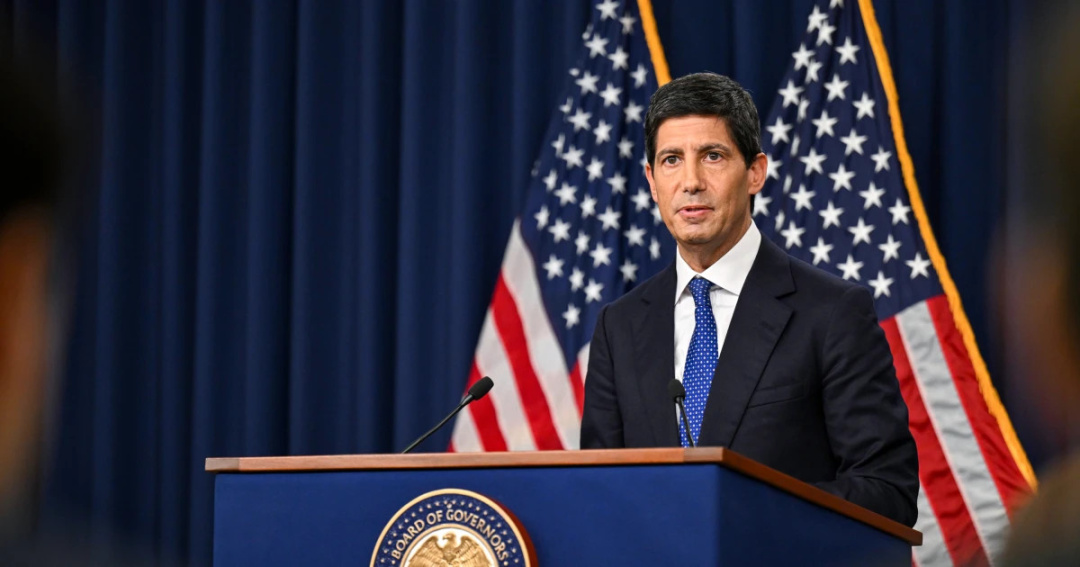
Goolsbee Urges Fed to Address Persistent Inflation from Supply Shocks

Austan Goolsbee, the president of the Federal Reserve Bank of Chicago, delivered a critical message to central bankers and financial officials in London, stating that the conventional approach to managing supply shocks is outdated. Speaking at the Official Monetary and Financial Institutions Forum (OMFIF) on September 21, Goolsbee highlighted that various disruptions, including tariffs, lingering effects from the COVID-19 pandemic, and elevated oil prices around $100 per barrel, are causing inflation to persist longer than traditional economic models would suggest. As of July 2026, the Fed's preferred inflation measure, the Personal Consumption Expenditures Price Index, was recorded at 3.7% year-over-year, nearly double the central bank's target of 2%. For decades, the standard response to supply shocks was to remain patient, allowing the economy to stabilize naturally after disruptions such as hurricanes or oil price spikes. However, Goolsbee argues that this strategy is no longer viable. He explained that when supply shocks occur in succession—such as tariffs compounding pandemic-related bottlenecks and energy price surges—the resulting inflation compounds rather than corrects itself. This situation presents a challenging reality: the Fed may need to increase interest rates to combat supply-driven inflation, even though such measures primarily address demand rather than supply issues. Goolsbee pointed out that inflation in the services sector is particularly concerning, as it tends to be more persistent due to factors like wages, rents, and healthcare costs. He also noted a significant source of demand pressure stemming from substantial investments in artificial intelligence infrastructure, which has led to a surge in data center construction. This investment increases demand for electricity, construction labor, and specialized equipment, further complicating the inflation landscape. Goolsbee indicated that a single rate hike may not suffice if demand remains strong, a stance that contrasts with recent comments from Fed Chair Kevin Warsh, who has been more cautious about further tightening. A notable aspect of Goolsbee's remarks was the revised timeline for when inflation is expected to peak. Initially, forecasts suggested inflation would peak in late 2025, but this estimate has since shifted to 2026, with many now predicting it may not peak until 2027. Goolsbee emphasized that prioritizing price stability is essential, even if it entails short-term economic pain, including higher unemployment rates. The bond markets are likely to feel the most immediate effects of these developments. If the Fed indicates that one more rate hike is insufficient, Treasury yields could rise, leading to a repricing of fixed-income portfolios and tighter financial conditions for borrowers. This would impact mortgage rates, corporate borrowing costs, and credit card interest rates. With oil prices already at $100 per barrel and supply constraints persisting, energy-related assets may continue to perform well. In times of sustained inflation, real assets typically retain their value, prompting institutional investors to gradually increase their allocations to commodities and real estate throughout 2026.
Market Reading & Resources
Sponsor funding complete. Trade on.