OECD Supports Bank of England's Steady Rate as UK Inflation Cools

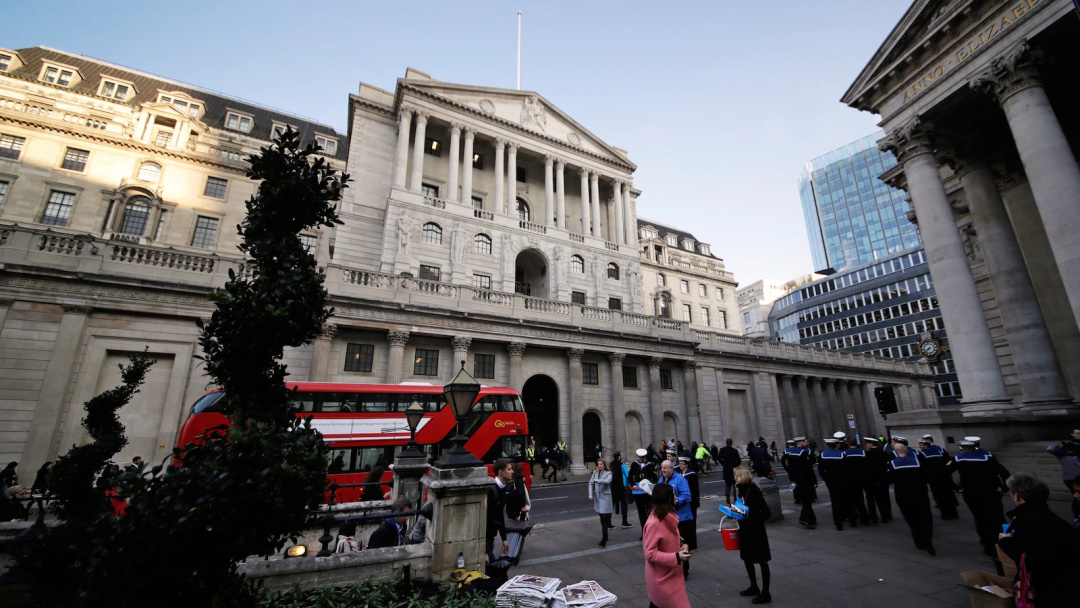
The Organisation for Economic Co-operation and Development (OECD) has provided the Bank of England (BoE) with a rare endorsement, suggesting that the current monetary policy is sufficiently restrictive to manage inflation. According to the OECD's September 2026 Interim Economic Outlook, the BoE can maintain its Bank Rate at 3.75% without risking a resurgence in inflation. This conclusion comes as the BoE voted 6-3 on September 17, 2026, to keep rates unchanged, even as inflation is expected to exceed 4% in early 2027 due to ongoing volatility in energy markets.
The UK Consumer Price Index (CPI) recorded a rate of 3.1% in August 2026, which, while above the BoE's target of 2%, is significantly lower than the peaks experienced in previous years. The OECD has revised its inflation forecast for the year, projecting an average of 3.1% for 2026, down from earlier estimates of 3.6% to 3.7%. For 2027, the forecast is even more optimistic, predicting a further decline to 2.6%.
Market Reading & Resources
Sponsor funding complete. Trade on.
The OECD's analysis highlights the impact of geopolitical tensions in the Middle East on energy prices, which have been a significant factor in the inflationary pressures felt across the UK. Stefano Scarpetta, the OECD's chief economist, noted that the current Bank Rate is high enough to effectively slow price growth, aided by a softening labor market that is curbing excessive wage increases.
Despite the majority decision within the BoE, the dissent from three members of the Monetary Policy Committee indicates some internal disagreement regarding the need for either a rate cut or more aggressive guidance. The OECD's findings align with the majority view, suggesting that the current rate is adequate to achieve its goals without necessitating immediate changes.
For consumers and businesses, this means that borrowing costs are unlikely to increase further in the near term. Those with variable-rate mortgages, companies planning capital expenditures, and individuals with floating-rate debts can expect a stable interest rate environment at least until mid-2027. The OECD anticipates a potential 25-basis-point cut in the third quarter of 2027, which would lower the Bank Rate to 3.5%. However, this forecast remains contingent on the stability of commodity markets, as any significant disruption could complicate the BoE's position and delay any planned rate adjustments.