Federal Reserve Issues Warning to Savers Amid Rising Inflation
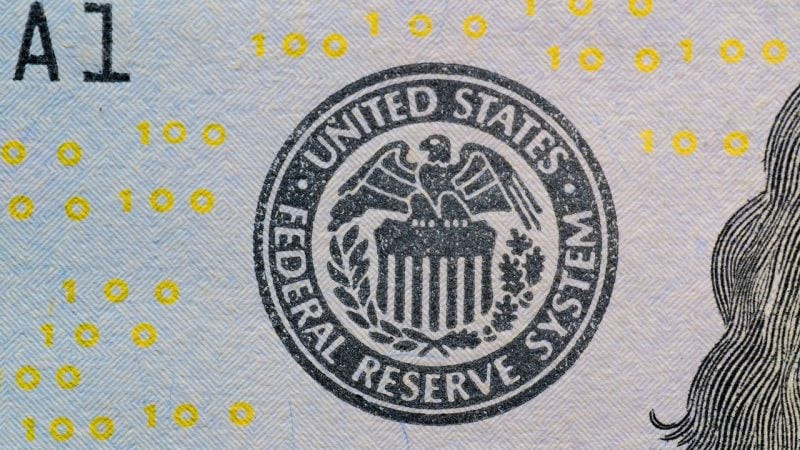
The Federal Reserve has alerted American savers to prepare for potential economic challenges. Fed Chair Kevin Warsh emphasized that there will be a reckoning due to the economic distortions caused by years of inflation exceeding target levels. This warning comes as the personal savings rate has dropped to 2.6% in April 2026, the lowest since 2022.
On September 16, the Fed raised its benchmark interest rate by 25 basis points, bringing it to a range of 3.75% to 4%. This marks the first increase since 2023, coinciding with inflation readings that have exceeded expectations. The Consumer Price Index (CPI) for July 2026 showed a year-over-year increase of 3.4%, while the Fed's preferred measure, the Personal Consumption Expenditures (PCE) index, was around 3.7%. Both figures significantly surpass the Fed's long-standing target of 2%, a level that has not been consistently achieved for over five years.
Market Reading & Resources
Sponsor funding complete. Trade on.
Warsh has made it clear that there is no leniency in the inflation target. For savers, the recent rate hike has led to higher yields on savings accounts and money-market funds, which now offer around 4.1% APY. This provides depositors with a slightly positive real return on their savings.
However, the low personal savings rate reflects deeper issues that cannot be resolved solely through interest rate adjustments. The savings rate had surged above 30% during the pandemic due to stimulus checks and reduced spending opportunities, but this surplus has been depleted over the past four years as costs for essentials like groceries and rent have risen faster than wages.
The Fed's rate increase creates a complex situation for households. While higher rates benefit savers, they also increase the cost of mortgages, auto loans, and credit card debt. As consumer spending accounts for about two-thirds of the U.S. economy, rising borrowing costs could hinder economic growth.
Additionally, the increase in yields on money-market funds raises the bar for other investments. Historically, Bitcoin and other digital assets have reacted to liquidity conditions, with tightening cycles often leading to reduced risk appetite. The recent rate hike and the possibility of further increases if inflation persists could pose challenges for the digital asset market.
If the PCE index remains above 3.5% into the fall, Warsh's statements suggest that the Fed may not hesitate to raise rates again, potentially pushing the benchmark rate above 4% for the first time since the aggressive tightening campaign of 2022-2023.