The U.S. Economy's Shift Amid the Ongoing Iran Conflict
On February 27, the day before the United States and Israel initiated military action against Iran, the U.S. economy was showing signs of improvement, with lower inflation and increased buying power. Gas prices were relatively low, and interest rates were decreasing. However, the situation has drastically changed since the onset of the conflict. Current economic conditions reflect a stark contrast to those preceding the war.
Despite early assurances from President Donald Trump that the military engagement would be brief, the conflict has now extended beyond six months. This prolonged situation has hindered the administration's ability to highlight positive economic developments. Recent reports from the Census Bureau indicate that median household income reached an all-time high in 2025, and the poverty rate has dropped to its lowest level. Additionally, the stock market has performed well, and unemployment remains low.
Market Reading & Resources
Sponsor funding complete. Trade on.
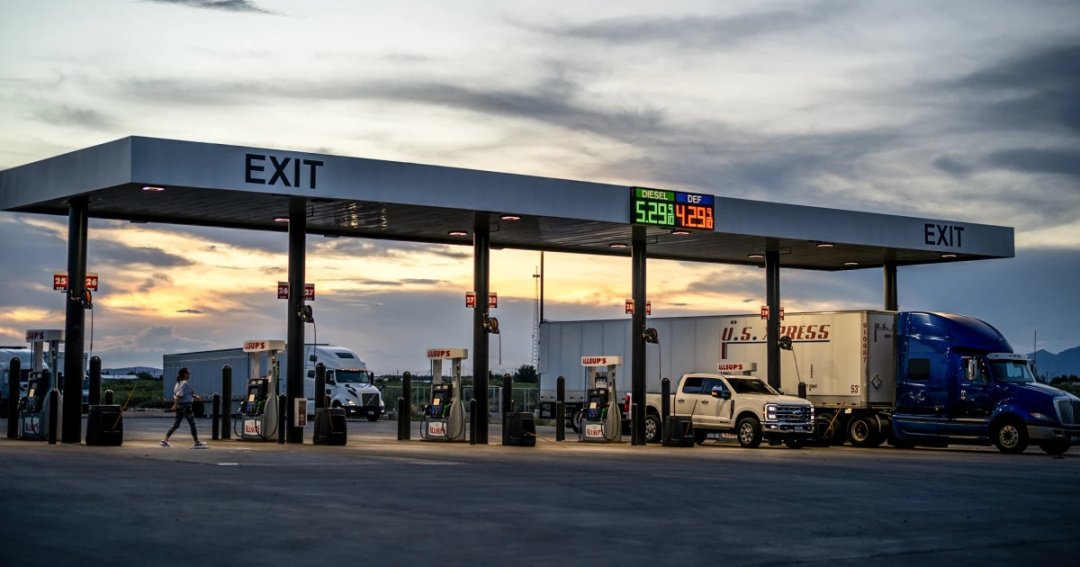
Nevertheless, the adverse effects of the war have overshadowed these positive trends. Gas prices, which were just under $3 per gallon before the conflict, have surged to approximately $4.50. Diesel prices have also skyrocketed, increasing from an average of $3.75 to over $6.50. This rise in energy costs has contributed to a broader inflationary trend, leading to higher borrowing costs and mortgage rates.
Consumer sentiment has declined, as reflected in various surveys. In March, 35% of respondents believed Trump had positively influenced the economy, but by September, that number had fallen to 26%. The White House has defended the president's economic record, emphasizing a focus on long-term goals despite temporary disruptions caused by the conflict.
The war's impact on inflation is evident, with rising energy prices being a primary driver. Analysts have noted that forecasting future oil prices has become increasingly challenging. The consumer price index (CPI) was at 2.4% on February 27 but has since risen to 3.4%. This increase prompted the Federal Reserve to raise interest rates for the first time since 2023, as persistent inflation could lead to higher expectations among businesses and consumers.
The Congressional Budget Office has estimated that the war has added at least 0.5 percentage points to inflation. The yield on the 10-year Treasury note, an indicator of inflation and economic growth, has climbed from 3.96% to nearly 5% since the conflict began. This rise in yields is partly attributed to inflation but also reflects increased borrowing for investments in sectors like artificial intelligence.
As borrowing costs rise, more taxpayer dollars are allocated to interest payments, limiting funds available for other investments. Mortgage rates have also increased, with the average 30-year rate now exceeding 7%, compared to less than 6% prior to the war. This situation has exacerbated affordability concerns for consumers, as indicated by low consumer sentiment scores.
The stock market has shown resilience, driven by investments in technology, particularly AI. However, it has stagnated recently, suggesting that investors may be recognizing the prolonged nature of the conflict. Analysts warn that the market may react negatively as the situation remains uncertain.
As the midterm elections approach, the economic challenges posed by the war are likely to influence voter sentiment, with affordability becoming a central theme in political campaigns. Consumers are bracing for continued pressure on their finances due to rising fuel prices and ongoing trade tensions.