Federal Reserve Raises Benchmark Rate Amid Persistent Inflation
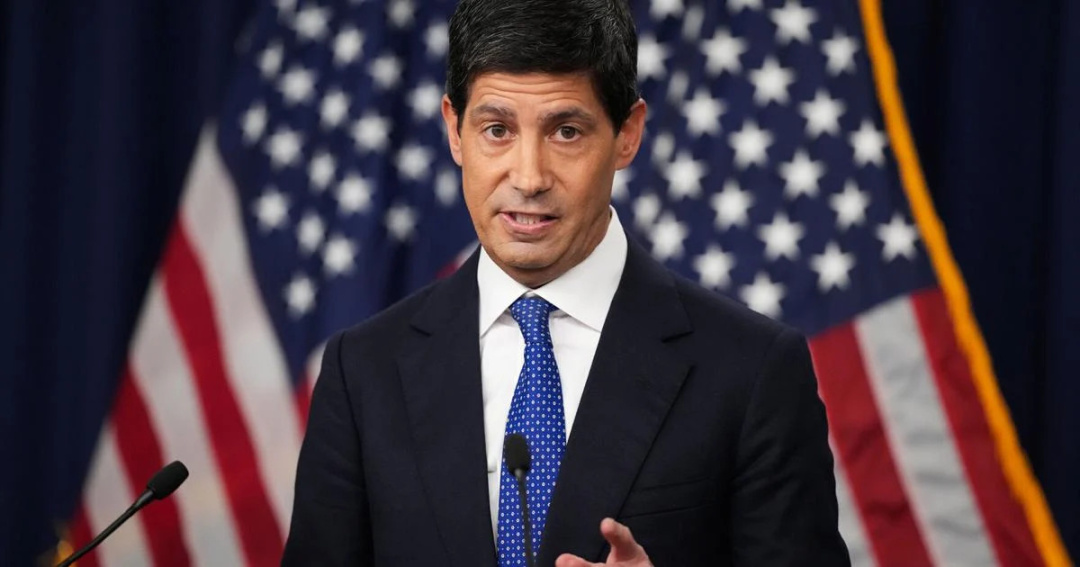
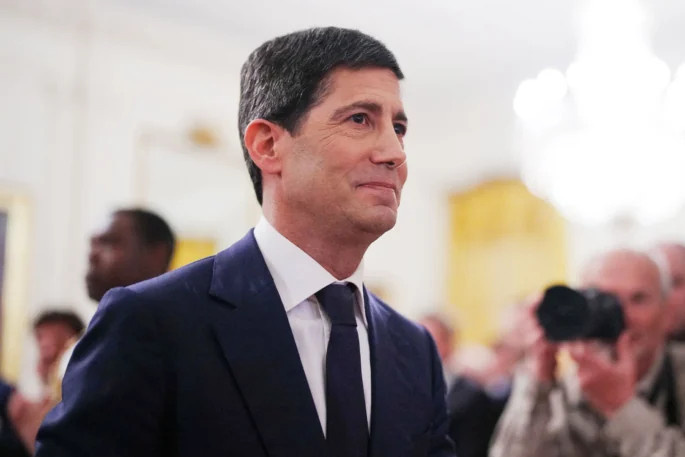
The Federal Reserve has announced a quarter-point increase in its benchmark lending rate, now set at a target range of 3.75 to 4.00 percent. This unanimous decision, made by the Federal Open Market Committee, marks the first interest rate hike in three years. Fed Chair Kevin Warsh stated that inflation continues to be a pressing issue, with rates remaining above the Fed's target of 2%. Currently, inflation is reported between 3.4% and 3.7%, down from the highs seen during the COVID-19 pandemic recovery.
The committee's consensus reflects a strong labor market, which has outperformed previous expectations. Economist Guy Berger noted that unemployment is currently at 4.1%, lower than the anticipated 4.4% for the end of 2026. This improvement in job numbers has provided the Fed with the confidence to proceed with the rate hike.
Market Reading & Resources
Sponsor funding complete. Trade on.
The implications of this decision are mixed. Savers stand to benefit, as high-yield savings accounts and money market funds now offer interest rates around 4%. This serves as a reminder for individuals to move their emergency funds from low-interest checking accounts to more rewarding options.
Conversely, borrowers face increased financial burdens due to higher interest rates. Current average credit card rates are approximately 21%, while auto loans and personal loans sit at around 7% and 11.8%, respectively. Although the Fed does not directly set mortgage rates, the increase influences borrowing costs for home financing. The average 30-year fixed mortgage rate is now just under 7%, with the 15-year rate at 6.26% as of mid-September.
The rising costs have created challenges in the housing market. According to the Federal Reserve Bank of Atlanta, a household earning the median income of $86,500 would need to allocate 44% of their income to afford a mortgage on a median-priced home, a significant increase from 28% in July 2020. This shift has contributed to a decline in first-time homebuyers, with the median age of first-time buyers now at 40, compared to 30 in 2008.
Despite the seemingly small increase in rates, the broader effects on borrowing costs and housing affordability are significant, leaving many Americans struggling to navigate the current economic landscape.