Bank of Korea Signals Rate Hikes Amid Rising Inflation
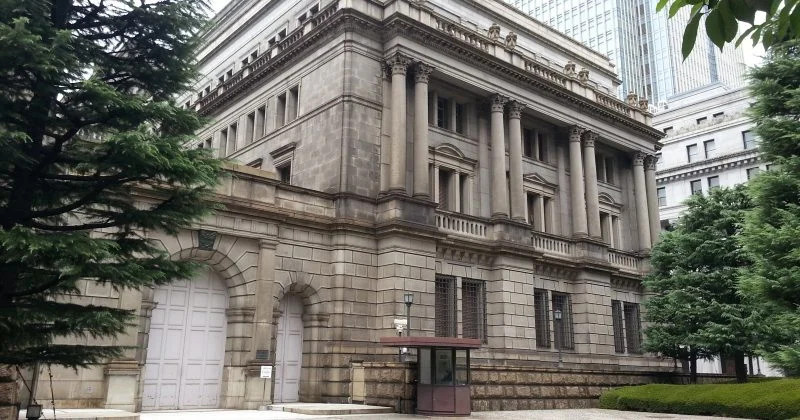
The Bank of Korea (BOK) has held its benchmark seven-day repurchase rate steady at 2.50% during its recent meeting on May 28. However, the accompanying signals suggest a hawkish stance, with significant upward revisions to both inflation and growth forecasts. Notably, two board members expressed a desire for an immediate rate hike, indicating a shift in monetary policy direction that may not favor crypto traders.
The BOK has increased its GDP growth forecast for 2026 to 2.6%, up from 2.0%, reflecting robust performance in the semiconductor sector and expectations of a positive output gap. Concurrently, the inflation forecast for 2026 has been adjusted to 2.7%, rising from 2.2%. Consumer prices have shown a year-over-year increase of 3.2% in June 2026, up from 3.1% in May, significantly exceeding the BOK's target of 2%.
Market Reading & Resources
Sponsor funding complete. Trade on.
Governor Shin Hyun-song has stressed the importance of timely interventions to control rising prices. Analysts at Citi predict a series of 25 basis point increases that could elevate the terminal rate to 3.5% or higher by the end of the tightening cycle, representing a total increase of 100 basis points from the current level.
South Korea is a major hub for retail crypto trading, characterized by the phenomenon known as the 'Kimchi premium,' where local tokens often trade at higher prices than their global counterparts. As interest rates rise, the incentive for Korean savers to invest in volatile digital assets diminishes, especially when deposit accounts offer returns of 3% or more. Additionally, a stronger Korean won increases the cost of purchasing dollar-denominated crypto assets, making leveraged positions more precarious due to higher borrowing costs.
The BOK's hawkish approach is influenced by strong export-driven growth, with first-quarter 2026 GDP expanding by 1.7% quarter-over-quarter, marking the fastest growth in nearly six years, alongside rising energy prices driven by geopolitical tensions. Governor Shin is also overseeing the BOK's initiatives on central bank digital currency pilots and stablecoin regulation, which intersect with the tightening monetary policy.
The Kimchi premium serves as a barometer for domestic sentiment, expanding during speculative periods and contracting during risk-off phases. If the interest rate differential between South Korea and the United States narrows, capital that might typically flow into speculative assets could remain in traditional investment vehicles.