Morocco Holds Elections Amid Youth Frustration and Unemployment
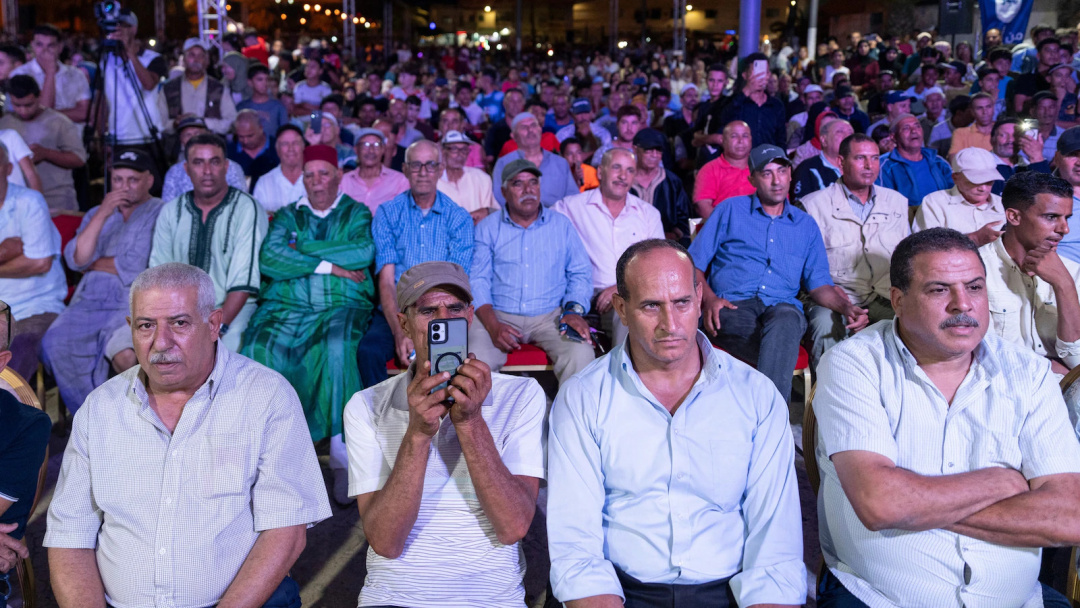
Moroccan voters are casting their ballots for a new parliament in an election characterized by rising frustration among young people and persistent high unemployment rates. The polls opened at 8 a.m. and will close at 7 p.m. local time, allowing nearly 16 million registered voters to select representatives for the 395-seat House of Representatives.
This election is crucial as it will determine the next prime minister and the composition of the government, which operates alongside a powerful monarchy that retains significant control over key national matters. The results of the election are expected to be announced on Thursday.
Market Reading & Resources
Sponsor funding complete. Trade on.
The new government will be responsible for managing substantial investments as Morocco prepares to co-host the 2030 FIFA World Cup, leading some to refer to it as the "World Cup government." However, the new leadership will also face mounting pressure to address everyday issues such as employment, wages, and the rising cost of living.
For many young Moroccans, there is growing skepticism about whether political engagement can lead to tangible improvements in their lives. This has led some to participate in protests, while others contemplate leaving the country or abstaining from voting altogether.
According to the Moroccan Constitution, the king is required to appoint the head of government from the party that secures the most seats in the legislative elections. As no single party is anticipated to achieve an outright majority, the leading party will need to negotiate with others to form a coalition government.
Voters will have the option to choose from 7,288 candidates representing 27 political parties. This election marks the first since a series of youth-led protests occurred nearly a year ago, alongside a significant attempt by migrants to cross into the Spanish territory of Ceuta from Morocco.
Some political factions, including the far-left Democratic Path party, have called for a boycott of the elections, arguing that they do not meet the necessary democratic standards. Similarly, the banned Islamist group Al-Adl Wal Ihsane has expressed similar sentiments.
While the constitution allows Moroccans living abroad to vote, there are no provisions for mail-in ballots or voting at consulates. Instead, expatriates must return to Morocco to cast their votes or authorize a family member or friend to vote on their behalf.
Interestingly, the number of registered voters has decreased by 9.7% since the last election in 2021, despite an increase in the population, leading analysts to predict low voter turnout for this election.