Fed Minutes Reveal Divisions on Inflation Outlook
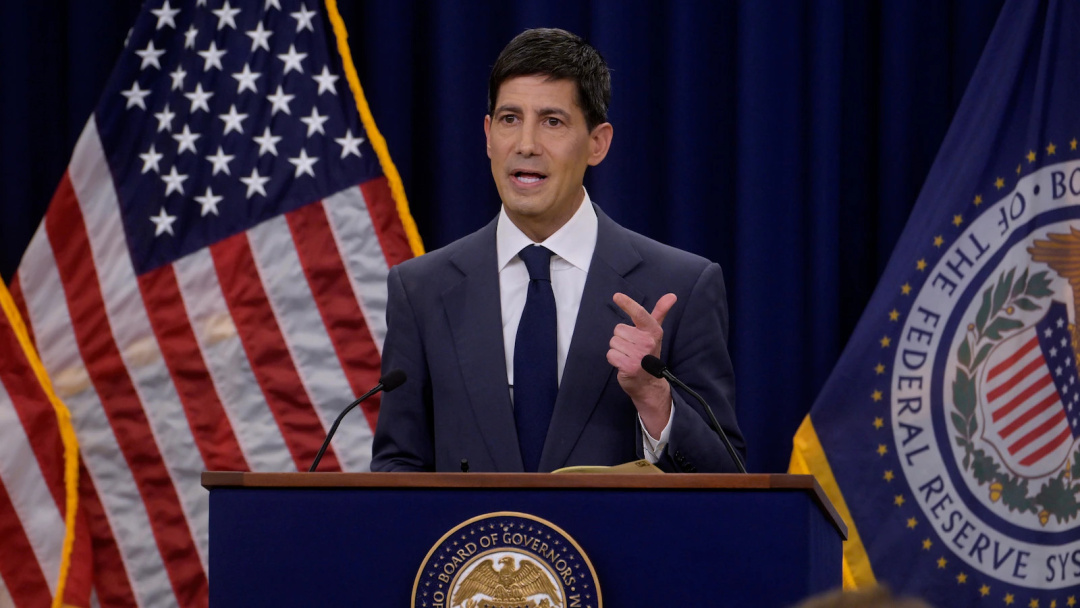
The Federal Reserve's rate-setting committee recently opted to keep its key interest rate unchanged at 3.6%, as revealed in minutes from their last meeting. However, the discussions among the 19 committee members reflected a deep divide on the future trajectory of inflation. Many officials expressed uncertainty about whether inflation would remain elevated or begin to cool, particularly as the situation in Iran stabilizes.
Forecasts released after the June 16-17 meeting indicated that half of the 18 policymakers who provided projections were in favor of raising rates by the end of the year, while the other half preferred to maintain the current rate. One official even suggested a rate cut. Notably, new chair Kevin Warsh did not submit a forecast, indicating a preference for flexibility in policy decisions.
Market Reading & Resources
Sponsor funding complete. Trade on.
The minutes highlighted concerns regarding inflation, particularly the potential impact of significant investments in artificial intelligence. Many officials noted that strong demand for AI infrastructure could lead to sustained upward pressure on prices for technology products and electricity. This concern is underscored by recent announcements from companies like Apple, which cited rising memory chip costs as a reason for increasing prices on laptops and iPads.
Inflation has surged since the U.S. and Israel's military actions against Iran in late February, reaching a three-year high of 4.2% in May. However, as gas prices have begun to decline, there is optimism that inflation may ease when June's figures are released.
Another critical issue for the Fed is the potential for consumer expectations to influence inflation. If businesses and consumers believe prices will remain high, they may act in ways that perpetuate inflation, such as raising prices or demanding higher wages. Recent data from the Federal Reserve Bank of New York indicated that consumer expectations for inflation one year from now have risen to 3.7%, the highest level in nearly three years. Expectations for inflation over three years also increased to 3.3%, marking a four-year high.
Most Fed officials, including Warsh, are closely monitoring these expectations, although many place greater emphasis on financial market indicators, which have shown more stability compared to consumer surveys. As the Fed navigates these complex economic conditions, the minutes reflect a cautious approach to future monetary policy decisions.