Federal Reserve Projects Stronger Economic Growth and Lower Unemployment
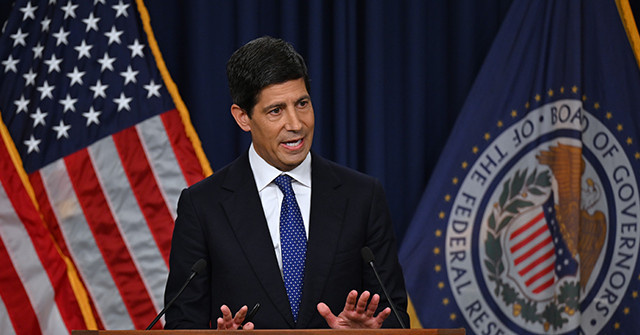
The Federal Reserve has recently expressed a more bullish outlook on the U.S. economy, even as public sentiment remains negative. This optimism is evident in the Fed's projections for increased economic growth and lower unemployment rates. Officials now expect that a stronger economy will coexist with higher interest rates than previously anticipated.
In their latest projections, the Fed forecasts a growth rate of 2.4 percent for 2027, with unemployment at 4.1 percent and a federal funds rate of 4.1 percent. This marks a significant increase from earlier estimates, which predicted a growth rate of only 1.8 percent and a funds rate of 3.4 percent. The revisions indicate a notable strengthening of the anticipated economy.
Market Reading & Resources
Sponsor funding complete. Trade on.
Historically, the prevailing view suggested a scenario of secular stagnation, characterized by weak demand and low investment opportunities. However, the Fed's evolving perspective suggests a shift towards secular acceleration, where a more productive economy can sustain faster growth alongside higher interest rates.
The Fed's long-term projections have also been revised upward, with sustainable growth expectations increasing from 1.8 percent to 2 percent and the longer-run funds rate rising from 2.9 percent to 3.2 percent. Inflation is expected to return to the target of 2 percent, reflecting the Fed's confidence in the economy's ability to manage price stability.
The employment outlook remains positive, with unemployment projected to stabilize at 4.1 percent from 2026 through 2029, which is below the longer-run estimate of 4.2 percent. The Fed anticipates a gradual decline in inflation, with rates expected to fall from 3.7 percent this year to 2 percent by 2029, suggesting a scenario of disinflation without adverse effects on employment or growth.
This optimistic economic configuration indicates that the Fed is gradually reassessing its view on the potential of the American economy, projecting faster growth, low unemployment, and higher interest rates as consistent with eventual price stability.